Did Your Chapter Adopt a French Orphan?

Denise Doring VanBuren, President General

As I traveled (in person and virtually!) to complete my official state visits, I shared some DAR history for the benefit of our new members and guests in order to illustrate our long legacy of service work. One of the examples that evoked the most response was our commitment to “adopt” orphans in France during World War I.

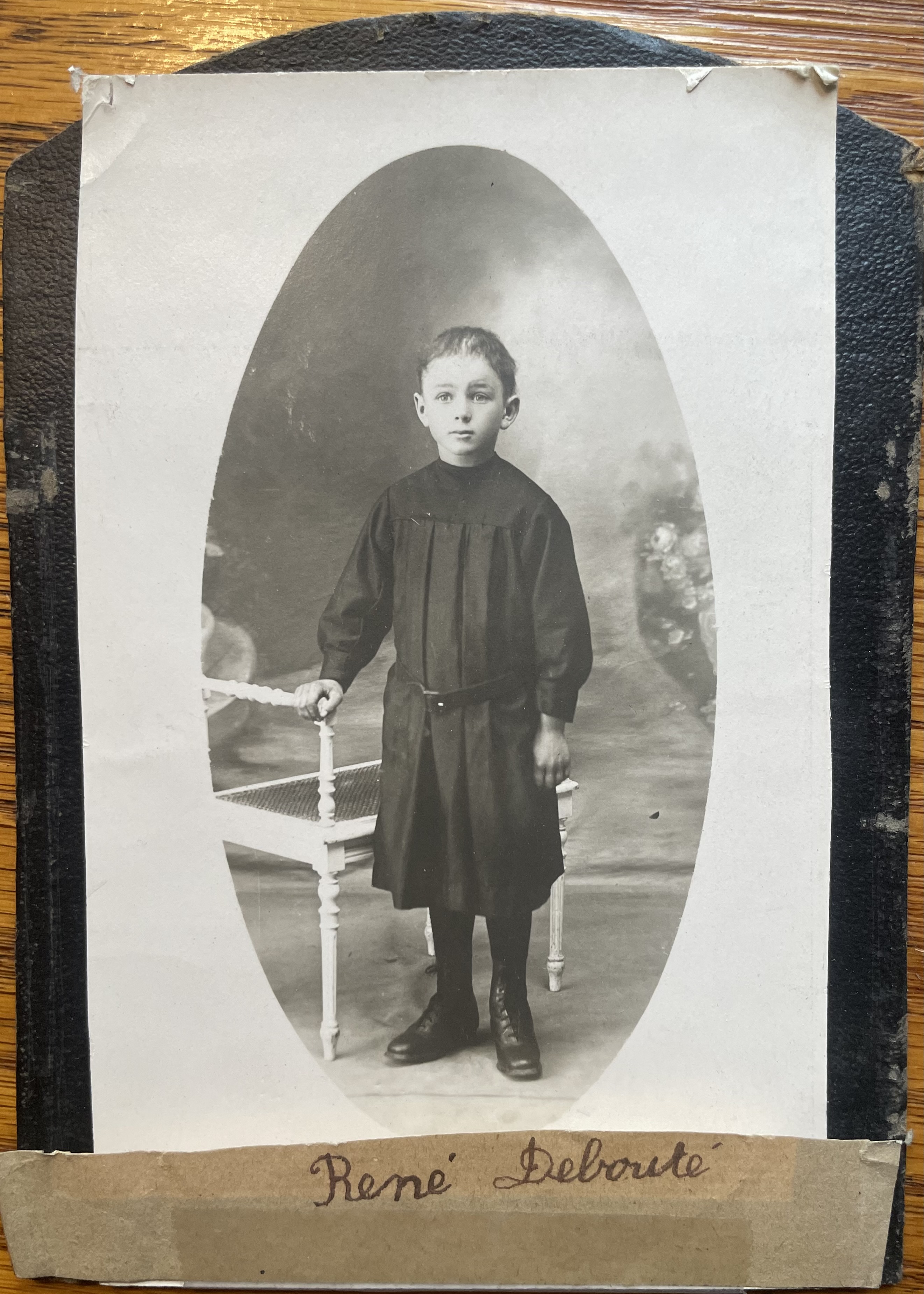
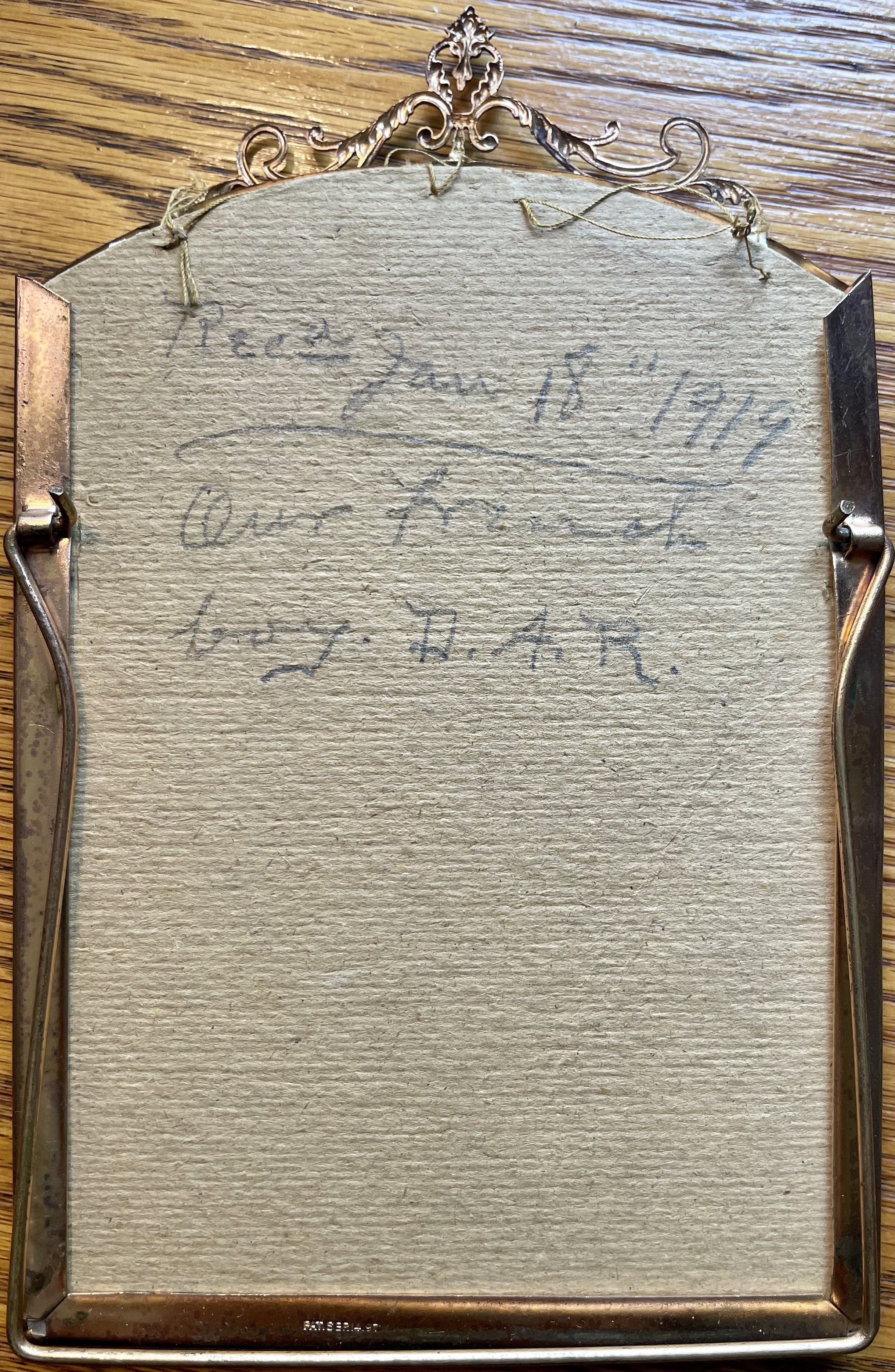
Several chapters reached out to me to share how proud they were to have had this distinction.  For example, Colorado’s Fort Morgan Chapter Historian Linda Midcap related that the chapter’s minutes of February 22, 1918, discussed their orphan, Rene Deboule, who had been born on June 21, 1910, and of whom they had a photo. On the rear of the image is noted, “Received Jan. 18, 1919,” and “Our French Boy.”

Hundreds of chapters took part in the effort. Connecticut State Regent Ellen Barney Buell, in her 1918 report to our Continental Congress, reported that she was “proud to say that 22 of our chapters adopted 45 orphans; Connecticut members committed to help another 172 children -- for a total statewide effort of nearly $8,000, some 217 children in all.”

But who were these children and how had we come to adopt them?   DAR Archivist Joy O’Donnell provided the background in an excellent 2017 Today’s DAR Blog post:

“With the country engulfed in the war abroad, Americans at home turned their attention to France and what they could do for her citizens.  At the 26th Continental Congress, which was held a mere 10 days after the United States declared war on Germany, President General Daisy Allen Story read a letter from former President Theodore Roosevelt, encouraging the DAR to assist France in their time of need.  Roosevelt reported that half a million French children had lost their fathers in the War and that the French government “staggering under the stupendous financial burdens of the war,” could not fully support these orphaned children.  

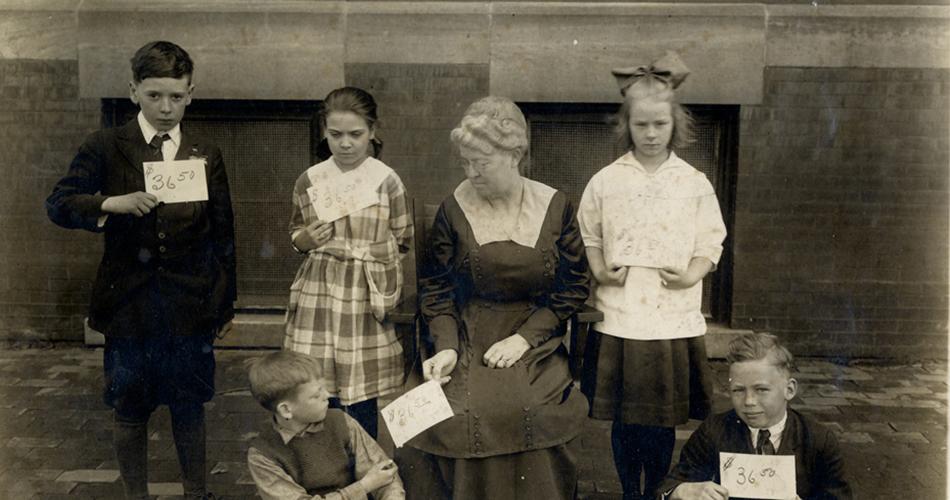
DAR members answered the call and began “adopting,” or sponsoring, these children.  $36.50 supported one child for an entire year.  Through Elise Richards Jusserand, the wife of the French ambassador to the United States, the DAR sent money to the “Fatherless Children of France” organization, which in turn sent quarterly payments to the children’s guardians.  Instead of sending orphans to the United States for formal adoption with American families, it was felt that the future of France depended on keeping the children in their country of birth.  DAR members, both individually and together with the support of their Chapters and State Societies, supported the orphans, often “adopting” entire families.  The members sent Christmas and birthday presents to the children and exchanged letters with them.  By 1918, more than 1,000 children were supported by the DAR.

Marie Wilkinson Hodgkins, Secretary of the DAR’s War Relief Service Committee, was in charge of coordinating the DAR’s support of the French orphans.  Mrs. Hodgkins devoted herself entirely to the project until the end of the War, working eight-hour days to place the financial care of the orphans in the hands of the Chapters.  In a letter thanking the “Fairy Godmothers of France’s future citizens,” Mrs. Jusserand states, “I wish the Daughters of the American Revolution who have ‘adopted’ our little ones could realize, as I do, who am just back from France, all that their help and sympathy mean to them.  It means sometimes the proper food necessary for a child's health, sometimes the pair of shoes which can enable the child to go to school, and at all times it means carrying the word ‘America’ into thousands of French homes where it will remain a symbol of fraternity, ever respected and beloved.”

More than a century later, we remain proud of this shining example of support to the descendants of our French Allies. Please check your own chapter’s archives to see if your predecessors may have been involved in this heartwarming example of DAR service work.  It was one way that we could make a meaningful difference – and honor the memory of the French soldiers who had helped us win our own freedom.

send-a-commentSend Us a comment