
 Today's DAR
I was inspired to learn even more about Marian Anderson – and her courageous determination to overcome the pervasive racism she faced throughout her entire life – while watching the “Voice of Freedom” documentary that premiered on PBS last night. It was, of course, difficult to revisit the hurtful 1939 DAR chapter of the story, but I am immensely grateful for the change that has since occurred in America and our National Society, as we all progress to better embody the highest ideals of our nation in the centuries-old struggle to ensure equality, justice and humanity for all.
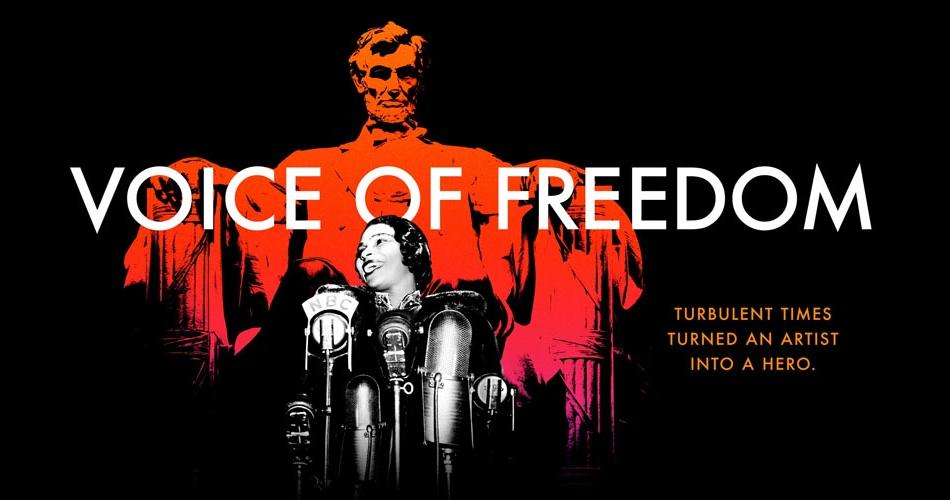
Today's DAR Celebrates the "Voice of Freedom"
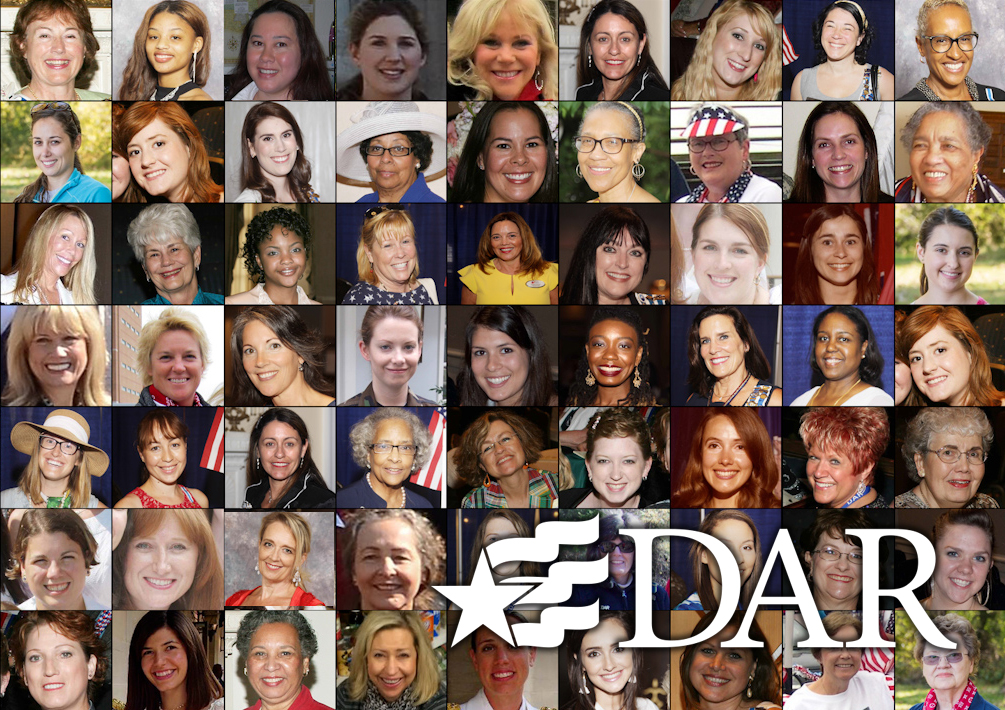
I am proud to be a member of DAR, which is today more vibrant and more inclusive than ever before. For the DAR that I have served for more than three decades consists of passionate and compassionate women committed to both encouraging a diverse membership and providing millions of hours of meaningful volunteer service to local communities across the nation.
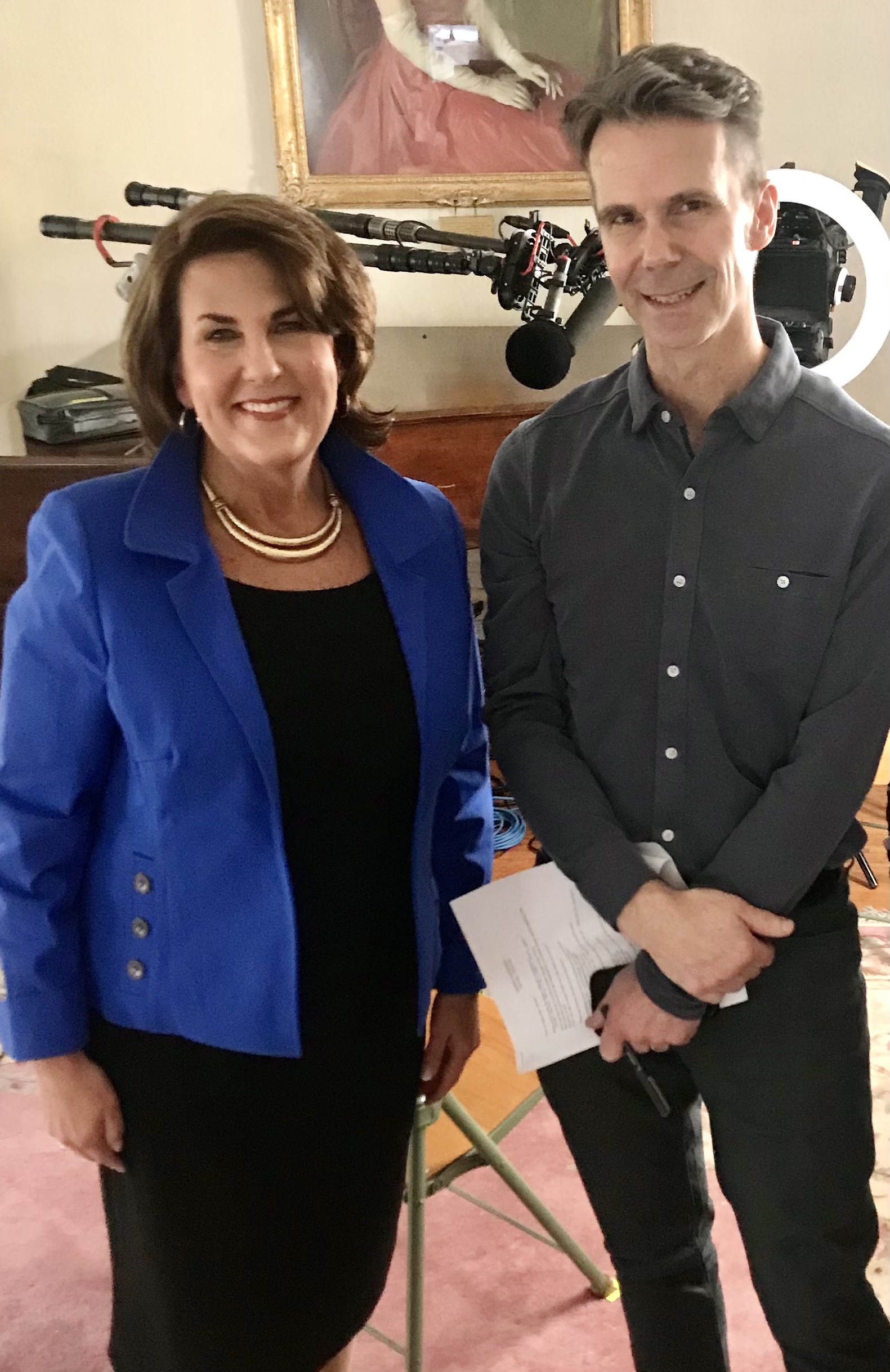
I express my appreciation to “Voice of Freedom” producer Rob Rapley for approaching DAR several years ago when he started work on the documentary. We welcomed Rob and co-producer Emily Harrold to the NSDAR Archives to explore the Sarah Robert collection of documents related to Marian Anderson as part of their research. I sat for an hour-long interview for the documentary in February 2020. Much of that discussion focused on Mrs. Robert, a renowned parliamentarian who methodically executed her duties as our chief executive officer, including adherence to an exclusionary policy that had been repeatedly defended by the professional manager of Constitution Hall. There is no defense for that policy, of course. But I am pleased that the documentary acknowledged that our Society was specifically selected to be used as an example at a time when segregation was still tragically the norm in our nation’s capital. And while it is not a role that I wish that we were chosen to play, our involvement in the events of 1939 ultimately triggered change in America. For that, I am grateful.
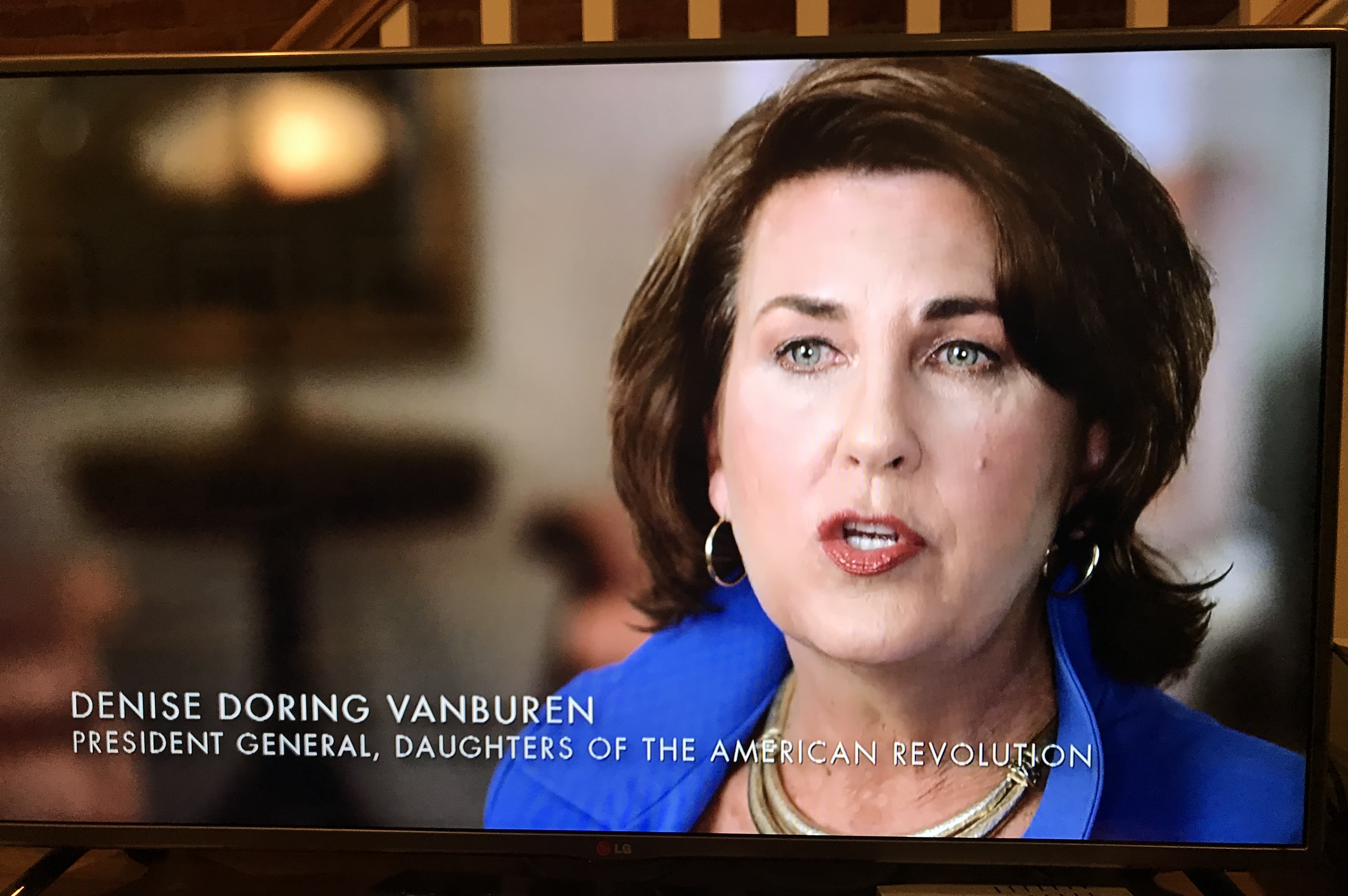
As a former television anchorwoman, I recognize the challenge of editing hours of strong interviews into concise, compelling soundbites that weave a story. I also recognized that the documentary was focused on Marian Anderson – not the DAR. While I wish that there had been additional positive information about DAR, I am nonetheless pleased that our voice was added to the nearly two-hour program.
Please know that the depiction of the events leading up to Marian Anderson’s Lincoln Memorial concert gave an accurate representation of the history according to NSDAR Archives documents and other well-researched historical accounts. While I know many of our members join me in wishing that the documentary explored more about the relationship Marian Anderson had with the DAR following the 1939 events, such as her five subsequent performances in DAR Constitution Hall, I also know that the documentary production team had to make difficult decisions about what to include in a limited program.
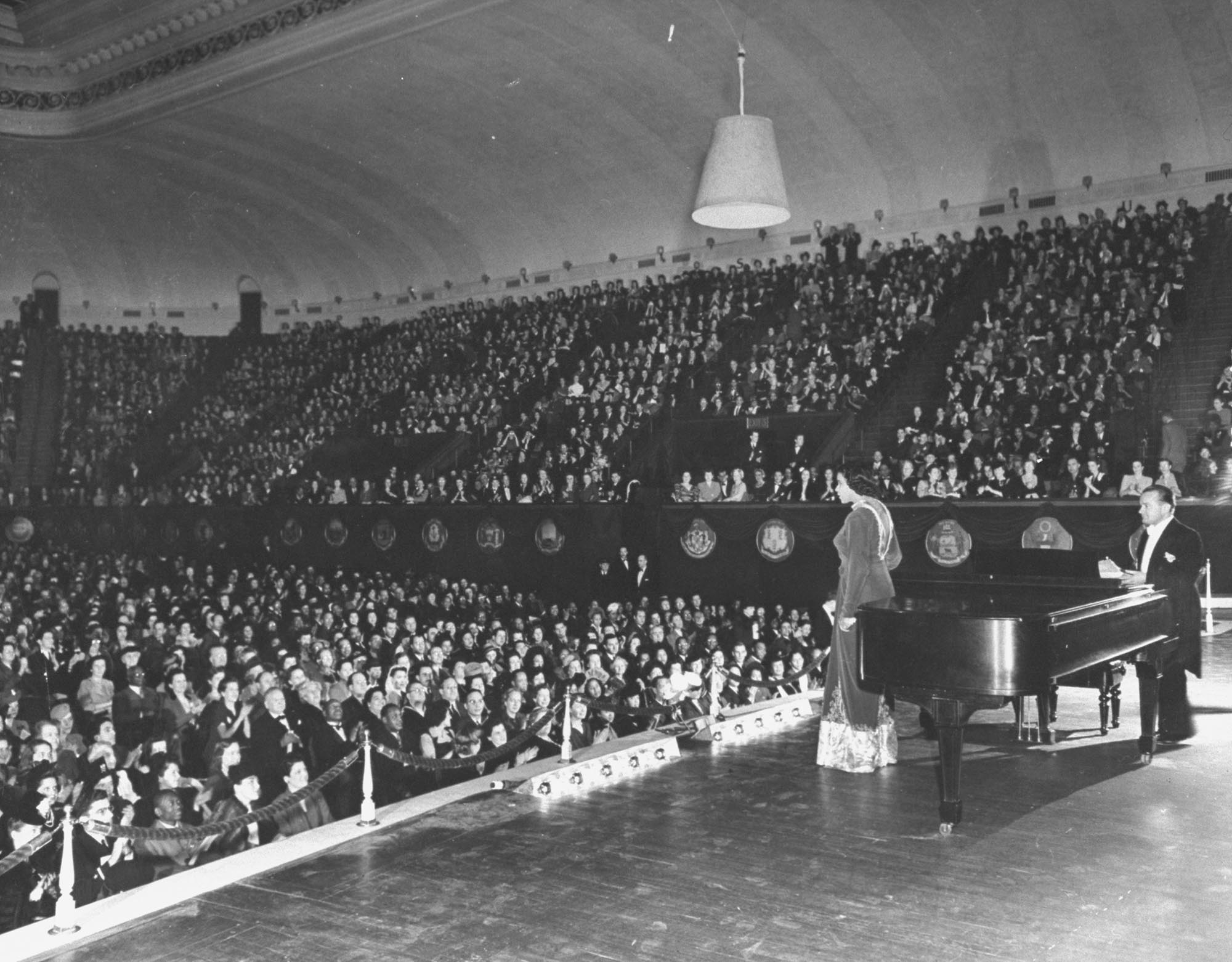
If you would like to learn more about Marian Anderson and the DAR, explore the many resources we have gathered here in our Marian Anderson section of the DAR website. We have also provided many resources on the DAR Members’ Website to both celebrate the Marian Anderson story and share Today’s DAR in your local communities. Access those resources here.
I am proud of the many programs and resources that DAR provides to people of all backgrounds when researching their family histories, including free online genealogical resources and assistance from DAR members who help with minority lineage research. I am also encouraged by our new E Pluribus Unum Educational Initiative to increase research and awareness of underrepresented individuals who helped to secure our nation’s independence, with its goal to expand our database of people of color who contributed to the Revolutionary War. We hope to ignite a desire in more people to research their own lineage and connect with their past, and we continue to encourage more women of color to support our important mission by joining us in membership in DAR.
What can you do? Seek out opportunities to welcome diversity within your own chapter. Celebrate the tapestry of the American experience in your activities and programs. Share why you are proud to be a member of Today's DAR by submitting a two-minute video here: www.facebook.com/IamTodaysDAR.
And most important? Volunteer in your local community in relevant, vibrant activities – then use social and traditional media to illustrate the positive ways that Daughters continue to fulfill our joyful obligation to honor the memory of the men and women who achieved American independence through service to others. This is how we will demonstrate our true commitment to the highest of ideals for which our ancestors sacrificed.
Additional Resources
- Who Are Today’s DAR Members? (DAR website)
- DAR members’ announcement about communication resources related to PBS documentary (DAR Members’ Website – February 9, 2021)
- Marian Anderson Resources (DAR Website)
- DAR news release about PBS documentary (DAR Website - February 9, 2021)
- Marian Anderson PBS Documentary Features NSDAR Archives Research (Today’s DAR Blog – February 11, 2021)
- Embracing our Enduring Bond with Marian Anderson (Today’s DAR Blog - January 11, 2021)
- DAR Commemorates Marian Anderson Anniversary by Launching Archival Project (Today’s DAR Blog - April 19, 2019)
