 Today's DAR
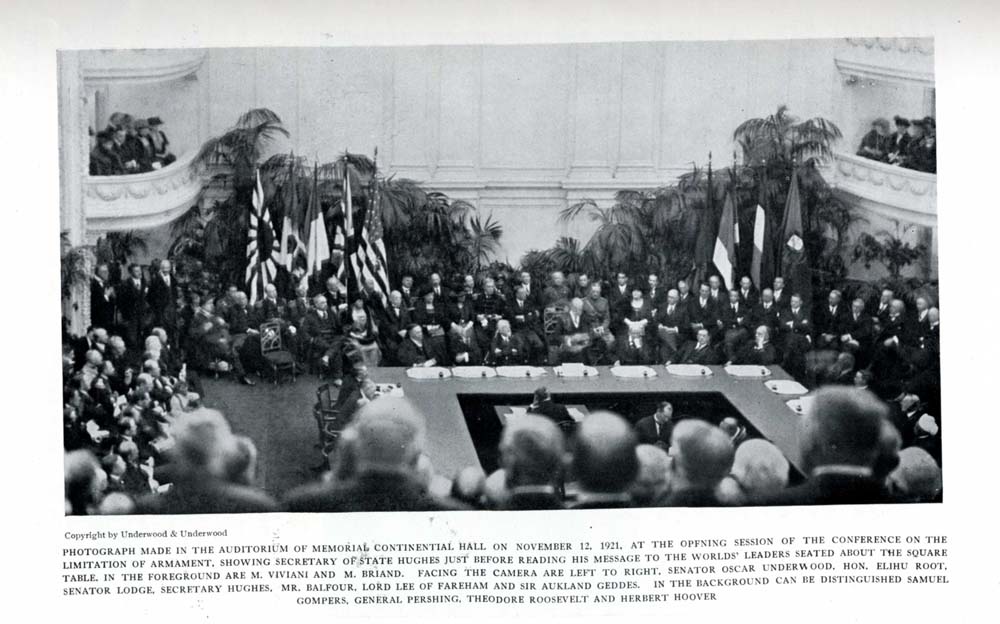
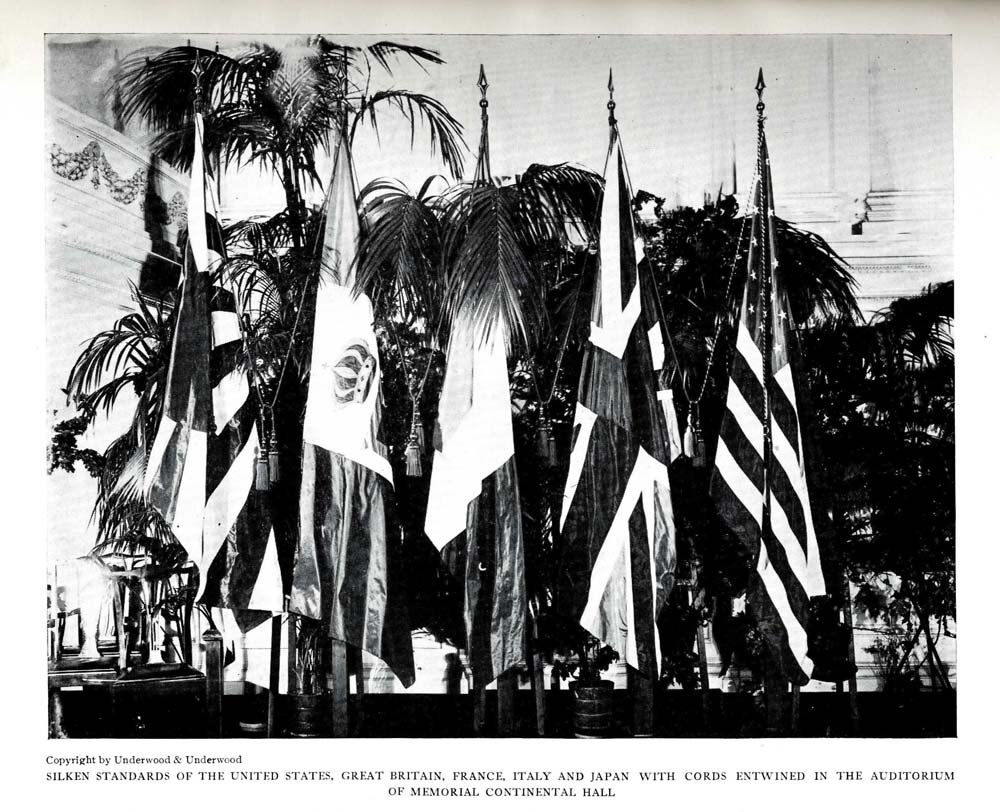
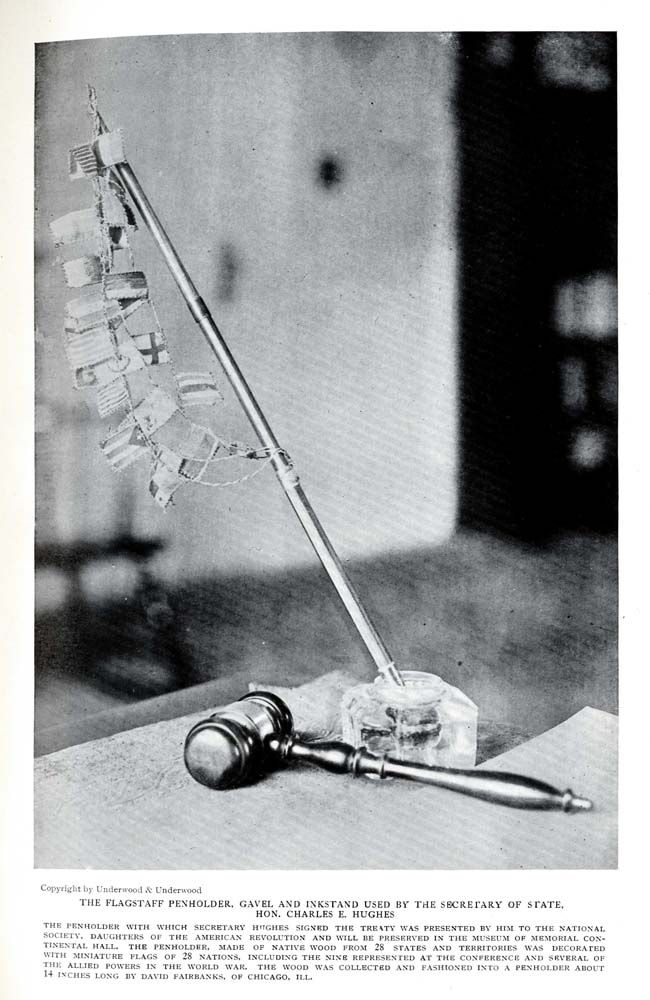
One hundred years ago the DAR hosted in Memorial Continental Hall a major diplomatic event – the Washington Naval Conference, also known as the Conference on the Limitation of Armament. On November 12, 1921, the day after the Tomb of the Unknown Soldier was dedicated, representatives from nine nations gathered in the Hall to discuss limiting naval armament on a global scale with the goal of preserving peace after the conclusion of the Great War and preventing an international arms race. At the invitation of U.S. Secretary of State Charles E. Hughes, representatives from Great Britain, Japan, France, and Italy came to Washington to discuss reducing their naval capacities, while representatives from Belgium, China, Portugal, and the Netherlands were invited to discuss the situation in East Asia.
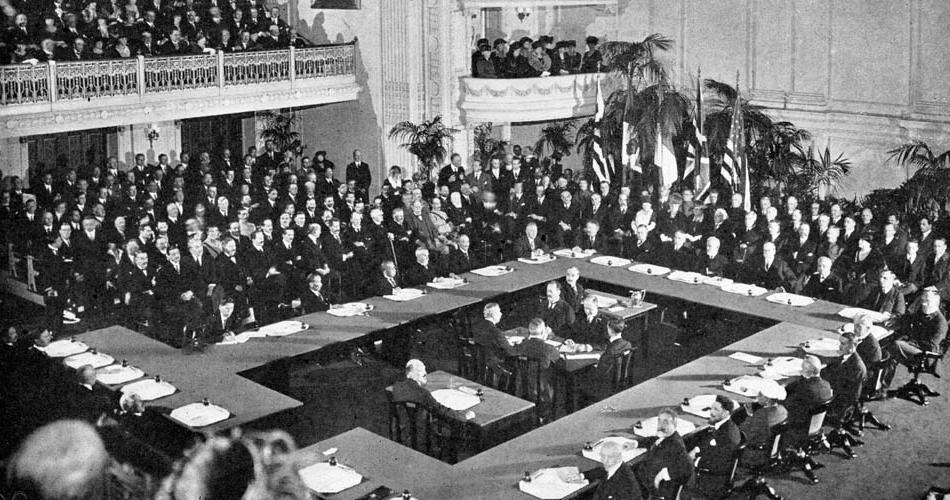
Memorial Continental Hall became “the scene of events upon which the future of the world hangs suspended,” as described by DAR President General Anne Rogers Minor. Each session of the conference was held in Memorial Continental Hall. The floor of the auditorium was raised to the level of the stage, with a U-shaped council table placed in the middle for the heads of the delegations. Representatives of the press from all around the world sat under the galleries. Members of the U.S. House of Representatives sat in the north gallery; members of the U.S. Senate sat in the west gallery; and members of the U.S. Supreme Court, the Cabinet, and the diplomatic community sat in the south gallery. The seats in the boxes overlooking the stage were reserved for First Lady Florence Harding; Second Lady Grace Coolidge; Antoinette Hughes, the wife of the U.S. Secretary of State; Madame Elise Jusserand, the wife of the French Ambassador; Lady Isabella Geddes, the wife of the British Ambassador; and DAR President General Anne Rogers Minor.