 Today's DAR
Each new museum acquisition is important to the collection. New objects tell a story that has not been told before or reveal something we have not seen in other artifacts. Each new addition to the museum brings us closer to a better understanding of the past.
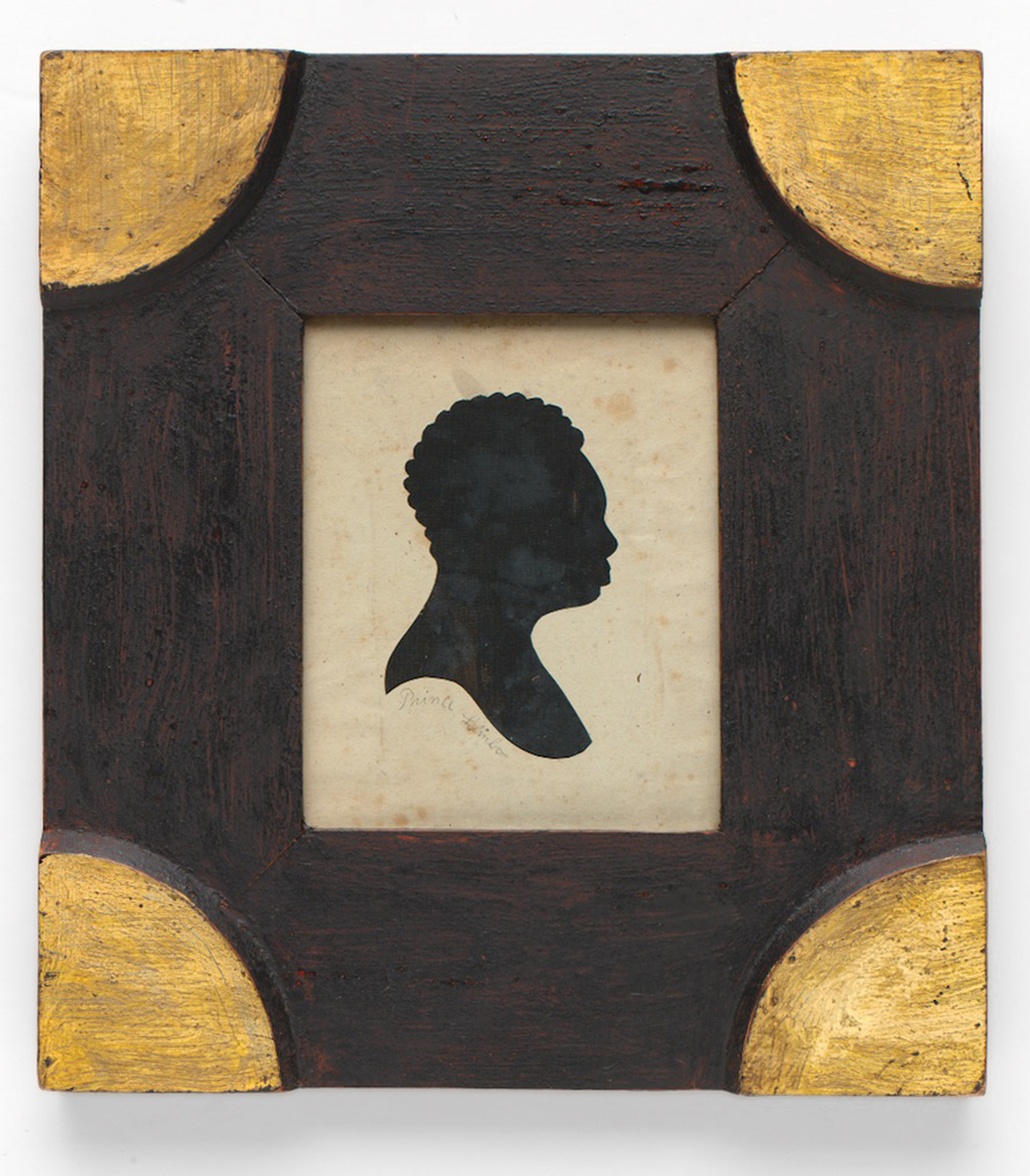
One of the DAR Museum’s latest additions begins to put a face with an increasingly important name, Prince Simbo. This late-eighteenth- or early-nineteenth-century hollow-cut depicts the profile of the Revolutionary War private from the 7th Connecticut Regiment. Hollow-cuts, similar to silhouettes, were created from cut paper and fabric using a light to create a shadow of the sitter’s profile.
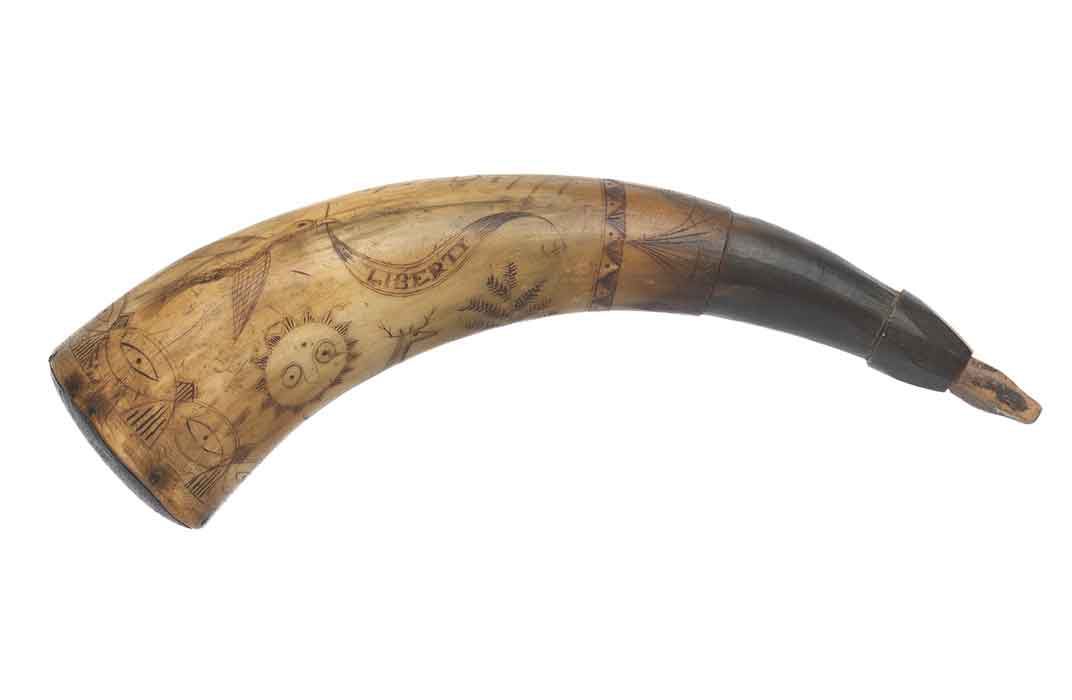
The 1790 Census tells us that Prince Simbo was a resident of Glastonbury, Connecticut. Whether Simbo was a free black or enslaved is not definitively known, however, scholars believe he was free at the time of his enlistment in the Continental Army. The start of his service to the American cause is unclear. Simbo’s powder horn is inscribed, “made at Glastenbury (sic) November 17th AD 1777”, and is in the collection of the National Museum of African American History and Culture in Washington, D.C. He enlisted in the Continental Line and mustered with Captain Ebenezer Hills’s Company of the 7th Connecticut Regiment at Valley Forge on February 23, 1778. Simbo’s enlistment term was three years before he could either re-enlist or retire from service.
Simbo first saw major action with the 7th Connecticut Regiment at the Battle of Monmouth in June of 1778. As part of General Jedediah Huntington’s Brigade, under the command of General Charles Lee, Simbo likely received Lee’s order to retreat before General Lafayette took command of the brigade, sending the army back into the battle. Simbo and the 7th Connecticut Regiment went on to quarter in White Plains, New York, in the winter of 1778.