
 Today's DAR
“I have just spoken to a Gentleman who says he was at your Room in Norfolk which was so crouded [sic] that he could not get his profiles…Moses has made him a good one, being from Carolina he did not at first relish having it done by a Molatta [sic], however I convinced him that Moses could do it much better than I could.”
-Charles Willson Peale to Raphaelle Peale, 1803

Fighting for Freedom: Black Craftspeople and the Pursuit of Independence
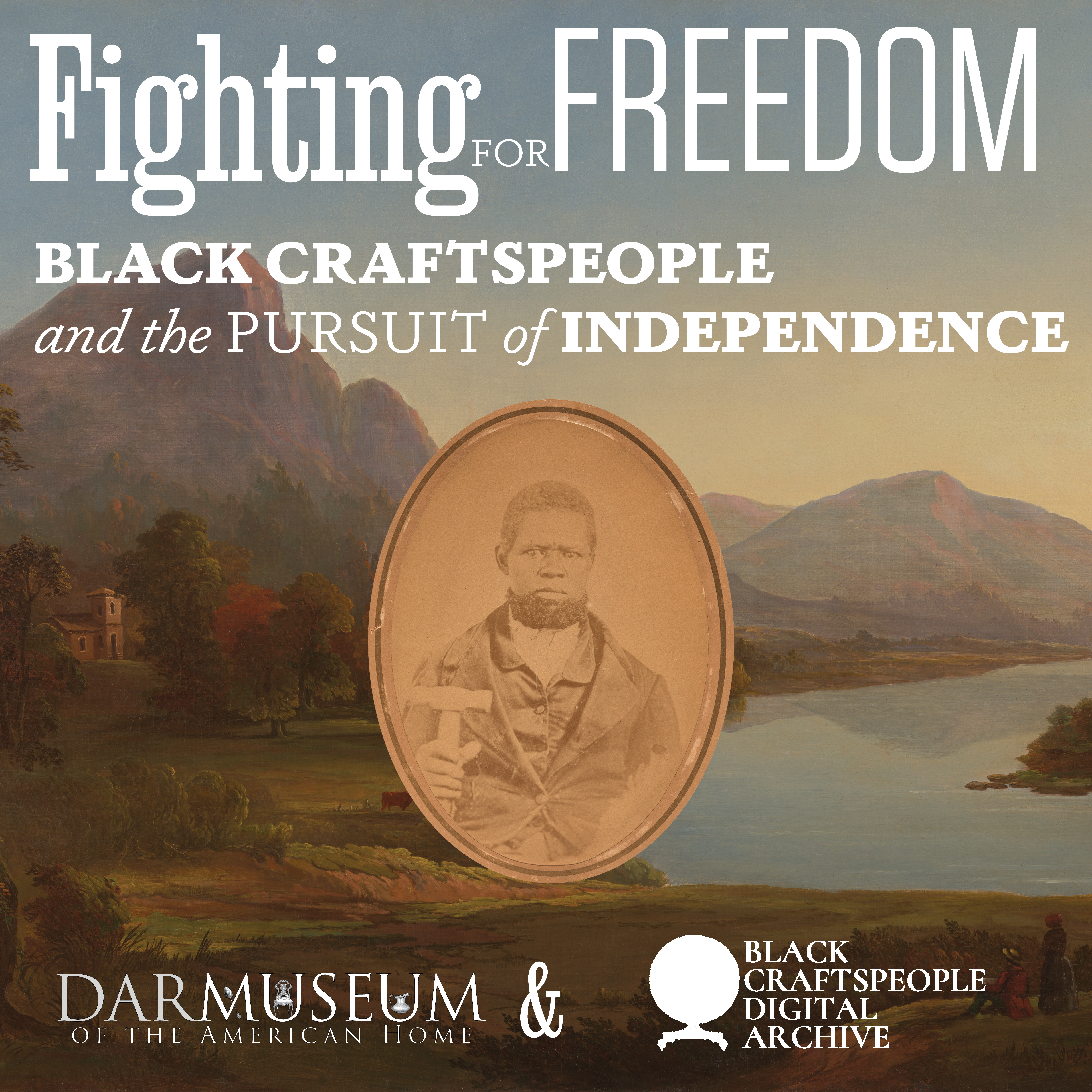
Fighting for Freedom: Black Craftspeople and the Pursuit of Independence is a collaborative exhibition between the Black Craftspeople Digital Archive and the Daughters of the American Revolution (DAR) Museum. This powerful exhibition centers the lives, experiences, trials, and triumphs of Black craftspeople, illuminating their journey towards autonomy and presents inclusive vignettes into the American fight for freedom. The hallmark of four years of meticulous research and design, Curator of Exhibitions at the DAR Museum William Strollo, assistant professor of history at UNC Greensboro Torren Gatson, and associate professor of history at Sewanee, The University of the South Tiffany Momon use forty-seven unique objects to encourage audiences to confront the complicated histories of what it means to be free in the United States. These objects, paired with rich contextual stories, help visitors reflect on the legacies of enslavement, consider the historical omission of African Americans in the decorative arts, and the lack of appreciation for Black artisans and their impact. The curators hope that Fighting for Freedom inspires more scholarship that challenges society and the field of decorative arts to identify new names and attribute objects to new individuals in the spirit of celebration for Black artistic contributions.
Through the stories, lives, and material culture of countless Black craftspeople, Fighting for Freedom invites visitors to reconsider Black decorative arts through the themes of mastery, contradictions, pride, identity, sojourn, and moments. Each of these themes present the visitor with a different perspective on the experiences of these makers and how those experiences shaped their production.
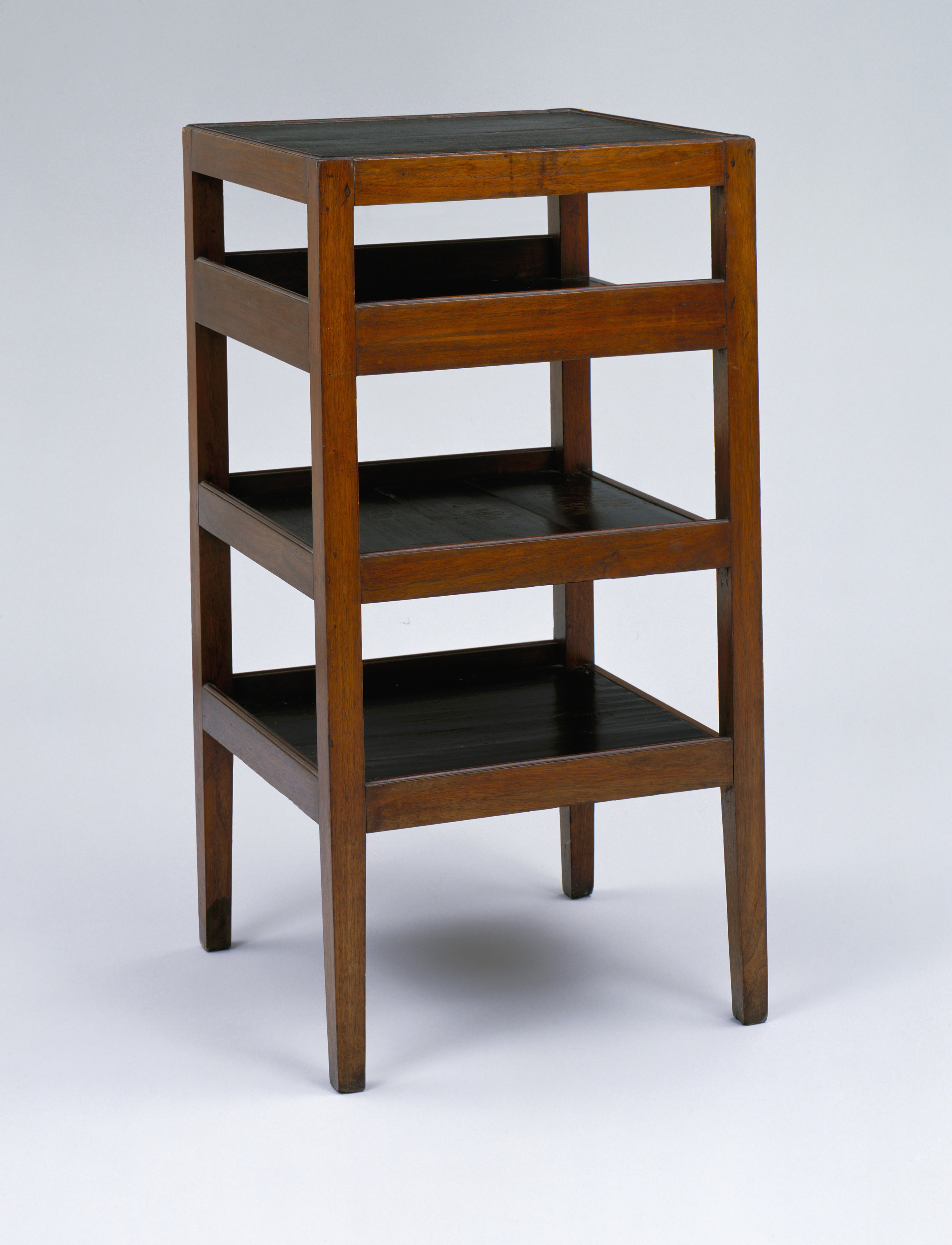
Few names are more synonymous with Black craft than John Hemmings, the enslaved joiner and cabinetmaker at Monticello. Hemmings lived through the contradictions of many of the Founders who signed the Declaration of Independence. Born in 1776, Hemmings, in his role as head joiner, created the material and architectural landscape of Jefferson’s Monticello that embodied Jefferson’s republican ideals. On exhibit is a dumbwaiter created by Hemmings, while he was head joiner at Monticello. The dumbwaiter resided at Poplar Forest, where Jefferson retreated from public life to reflect on his thoughts surrounding the new United States. Hemmings remained enslaved until Jefferson’s death in 1826, when he was freed with all of his tools.

Peter Bentzon’s life navigated the journey between place and race. He learned the silversmith trade in Philadelphia from 1799 to 1806. Next, his travels took him to the Danish West Indies island of St. Croix, where he also established a silversmith business. For the duration of his life, he traveled between Philadelphia and St. Croix, crossing the color line as records in Philadelphia documented him as white, while records in St. Croix recorded him as biracial. His work, sophisticated and detailed, was sought after by wealthy members of society. Bentzon is the only recorded free Black silversmith in the Americas and his journey highlights the interconnections between running a successful business and race.
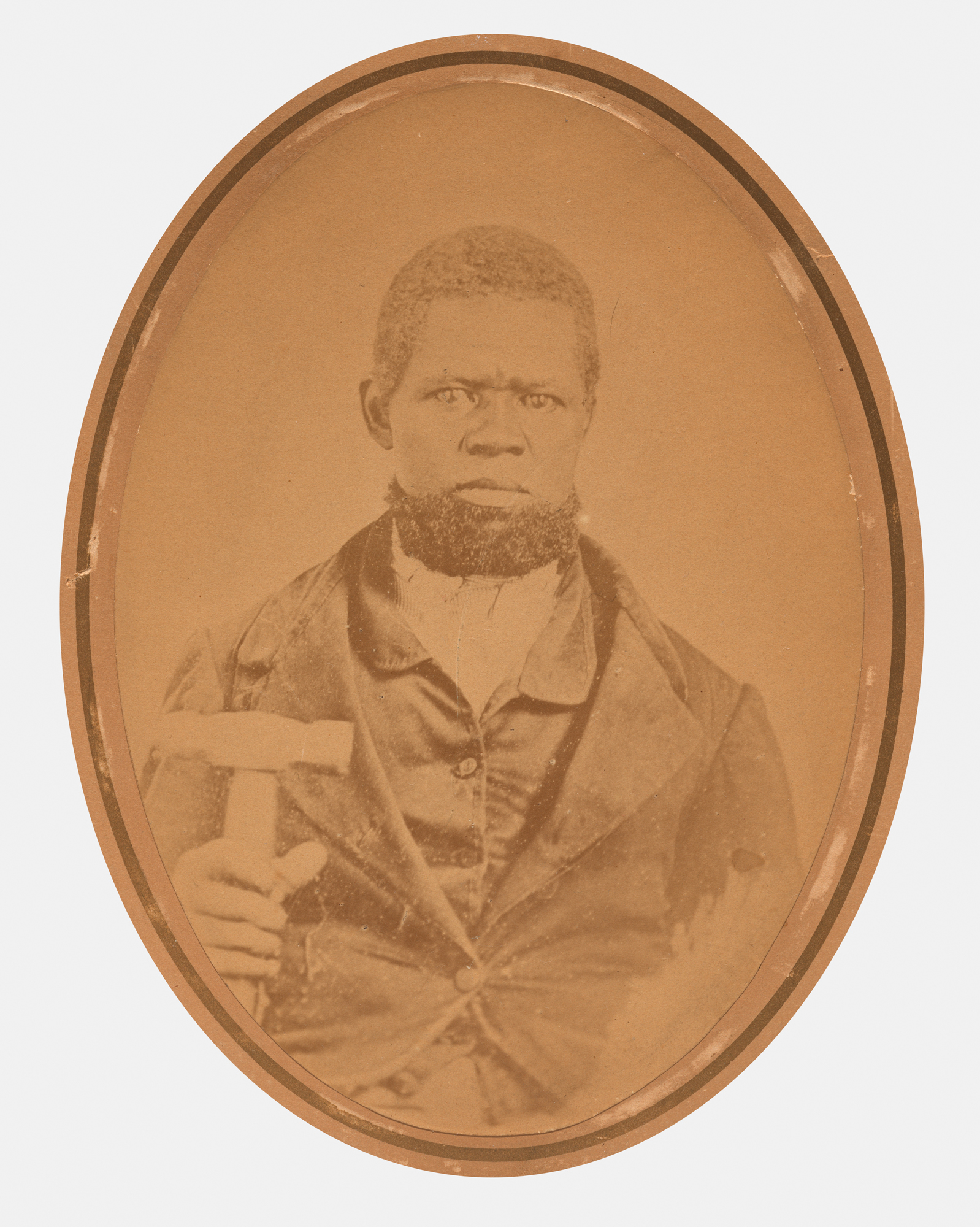
Another craftsperson from the exhibit is an unidentified person who most likely fled with his cross-peen hammer from the area around Chambersburg, Pennsylvania, as Confederate General Robert E. Lee crossed into Franklin County, towards Gettysburg. Like countless other Black craftspeople, the surviving records of this Black craftsperson are sparse, yet the proud display of his cross-peen hammer and the uncompromising look on his face invites us to reflect on his life and experiences building a free nation for all.
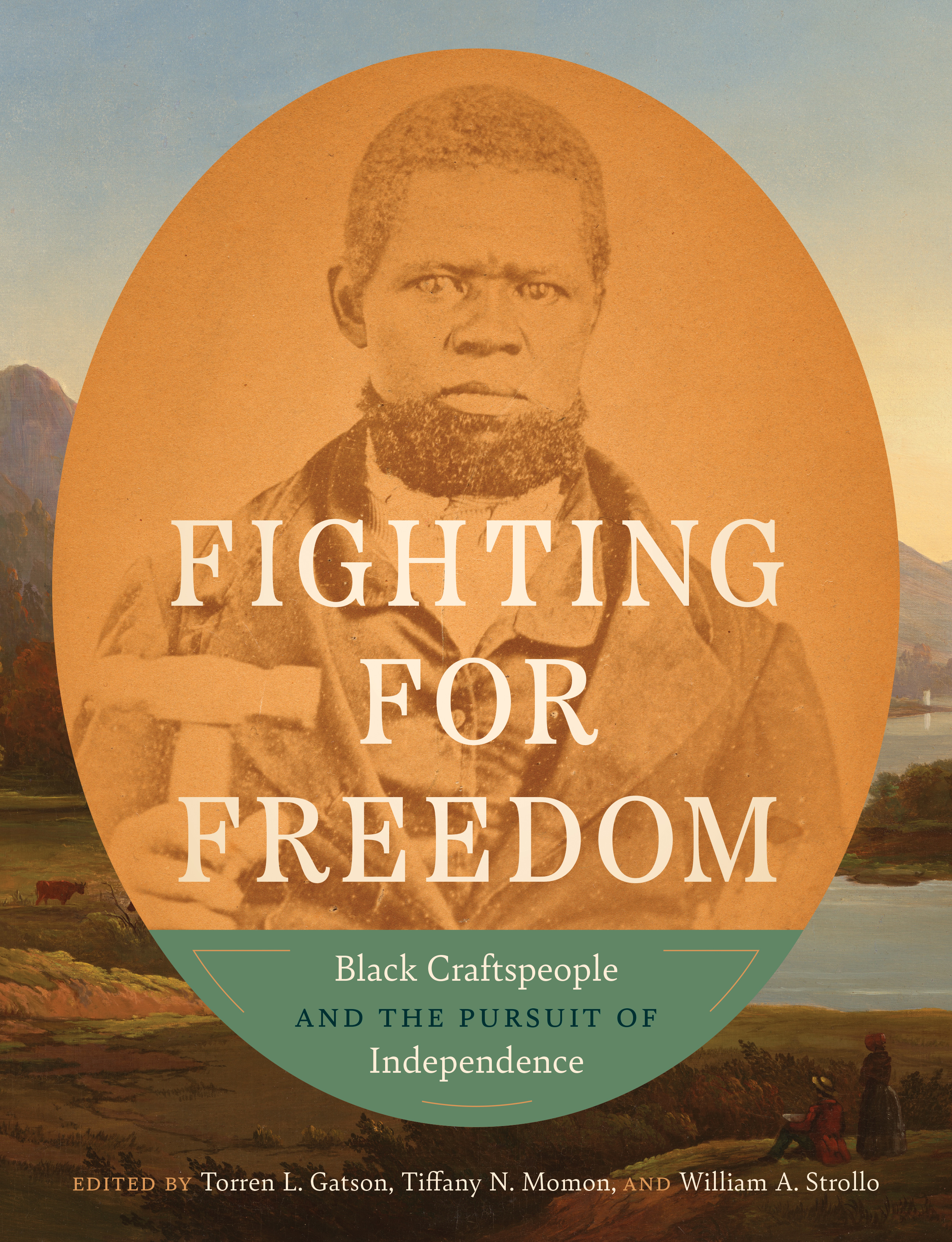
The significance of this scholarship does not stop at the conclusions of the exhibition of these objects in the DAR’s gallery. The true legacy of Fighting for Freedom lies in its legacy. Over the next three years, the exhibition will travel, making stops at the North Carolina Museum of Art, Gibbs Museum of Art, Historic New Orleans Collection, Tennessee State Museum, and Museum of the Shenandoah Valley. Its legacy will live on through its accompanying catalog, published by the University of North Carolina Press. Most importantly, the exhibition will endure in the doors it opens for deeper scholarship, new discoveries, and more insightful understandings of Black contributions to the decorative arts.
Fighting for Freedom: Black Craftspeople and the Pursuit of Independence is on view at the DAR Museum through December 2025.
