
Preserving the Past: Digitizing the DAR Marker and Grave Location Index

Suzanne Heske, Historian General

It is a rewarding feeling when a GOAL can be accomplished, especially when it directly benefits members. Two years ago, the Office of the Historian General, with the help of many, undertook a project years in the making. On February 3, 2025, the Office of the Historian General announced the launch of the newly created Daughters of the American Revolution (DAR) Marker and Grave location Index.

The First Report to the Smithsonian, 1890-1897, conveyed that marker placements and dedications were taking place around the country and that a national resolution was passed “favoring a bill then before the United States Congress for marking historical spots….” Furthermore, “the suggestion was made by Miss Desha that the first work of the new society should be to aid in raising a monument to the mother of Washington.” That monument, memorializing Mary Ball Washington, the mother of Washington, was dedicated May 10, 1894. 
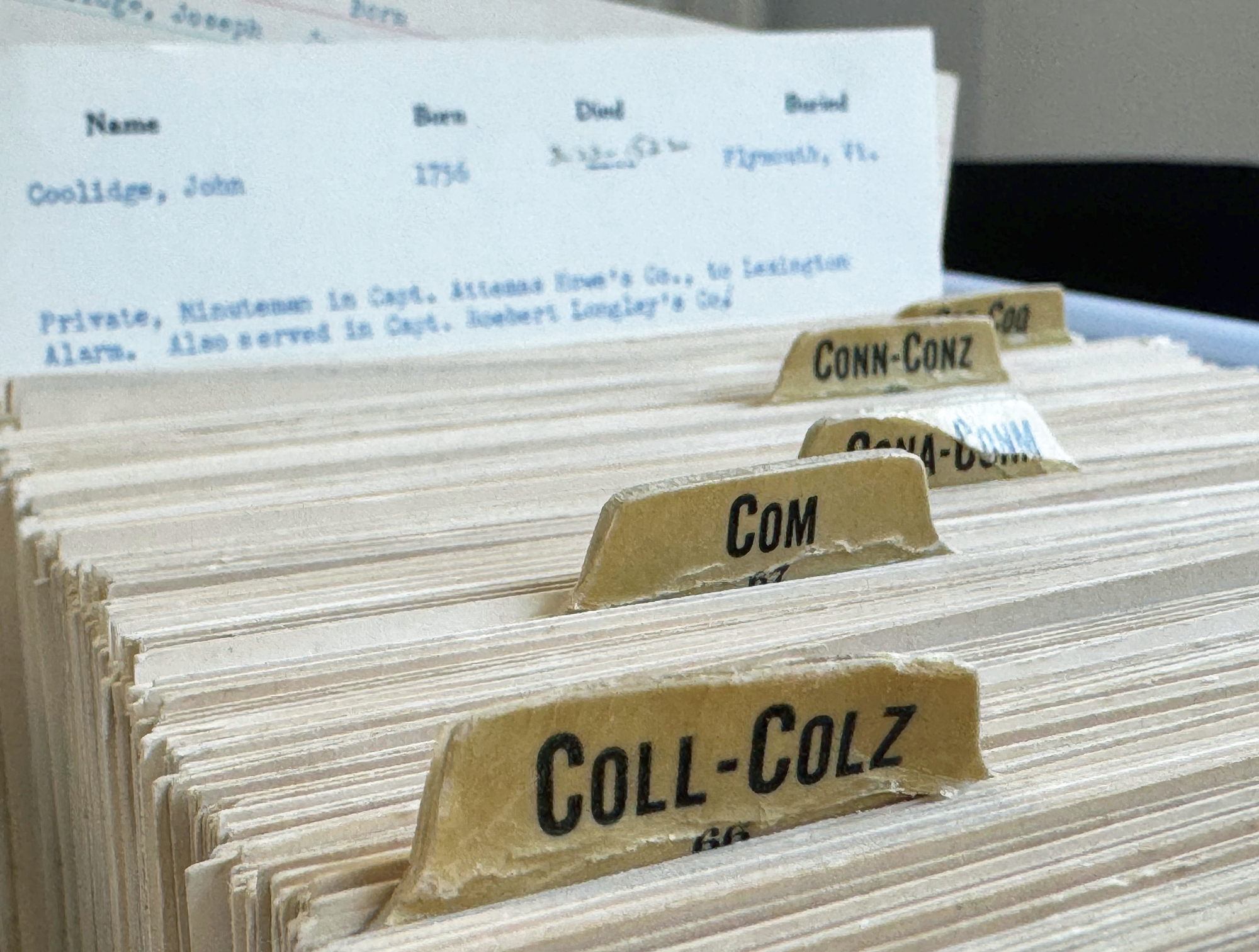
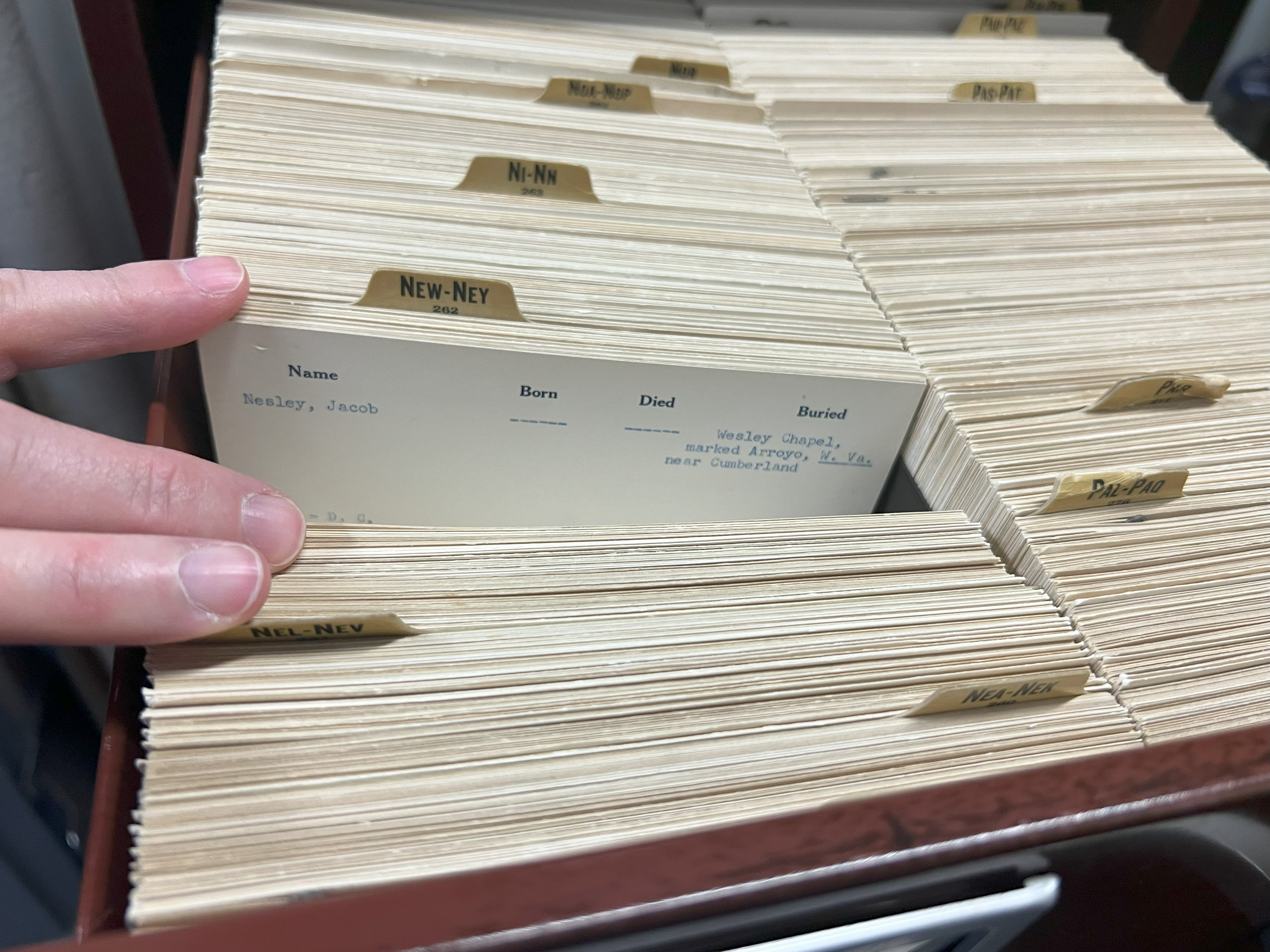
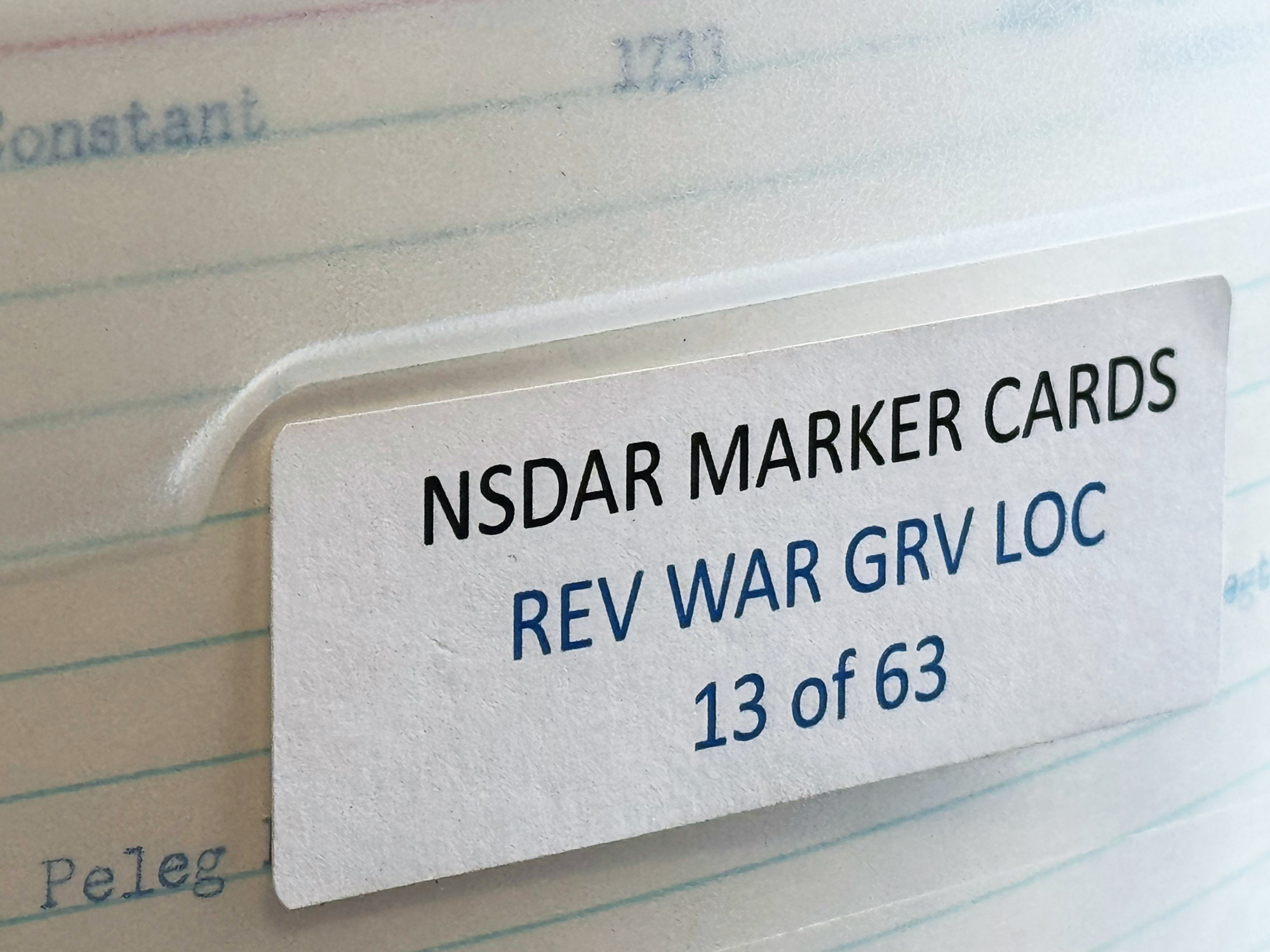
As the organization continued to evolve, during DAR’s Golden Jubilee celebration in 1940, the Historical Research Committee created a card-Indexing project to collect and document vital historical data connected with the placement and dedication of memorials, tablets, monuments, etc. Within two years, over ten-thousand cards were created, documenting activities from 35 states. 

As the organization surpassed over 100 years of history, accurate reporting and record keeping became essential. Additionally, ensuring permission was obtained to place a marker or tablet containing accurate and appropriate text was vital. As the Office of the Historian General began modernizing towards a new century, applications for Revolutionary War grave markers and Historical and Commemorative markers were implemented, and placement recorded in an Access database. 

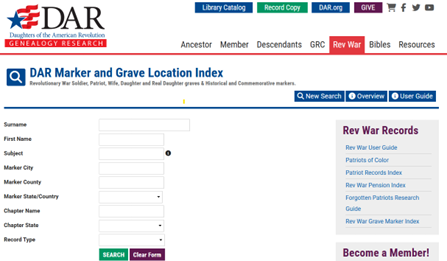
The DAR Marker and Grave location Index is available through the Genealogical Research System (GRS) on both the DAR public and members’ websites, specifically, within the Revolutionary War Records section. The collection contains information about Historical and Commemorative Markers and the marked and located graves of Revolutionary War Soldiers and Patriots, as well as those of their Real Daughters, Wives and Daughters. The information in this index spans the DAR’s history, from the earliest days (1890’s), up to circa 2005. 

A Few Helpful Tips Gathered Over the Last Few Weeks:

  • The DAR Marker and Grave location Index only includes information from index cards about Revolutionary War soldiers and Patriots whose graves were marked, located, and reported to the National Society from 1890s to circa 2005. It is not an exhaustive listing.
  • If a soldier or patriot’s information does not appear in the index, it is because the marker placement was not reported to National during that time period and recorded in the card catalogs.  
  • If a state’s name is not included in the index, it is because none of the indexed information pertained to that state.  
  • The “Chapter State” field is pertinent to the state or chapter who placed the marker.
  • The “Marker city”, “Marker county” and “Marker State/Country” are directly pertinent to the location where the marker was placed.
  • Not all Revolutionary War Patriots indexed are established DAR ancestors.
  • If you come across an error in the database, complete the writable pdf form located in the upper right corner of the index and email to [email protected].

We invite all members to explore the DAR Marker and Grave location index and contribute to preserving our rich heritage. If a marker does not exist, consider submitting an application to place a marker at unmarked grave. The Office of the Historian General looks forward to receiving your applications. This incredible legacy connects us to our Patriot ancestors and our nation’s history through the many DAR markers the National Society has placed since its founding.

send-a-commentSend Us a comment