
 Today's DAR
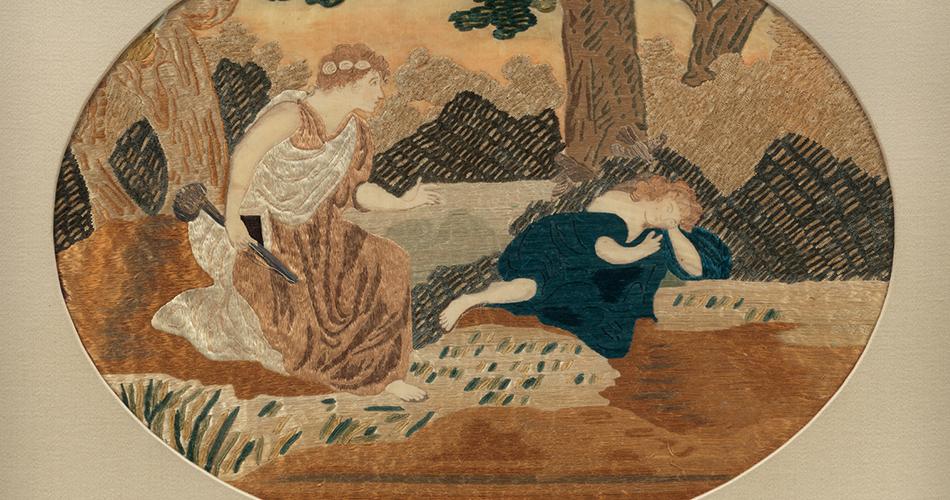
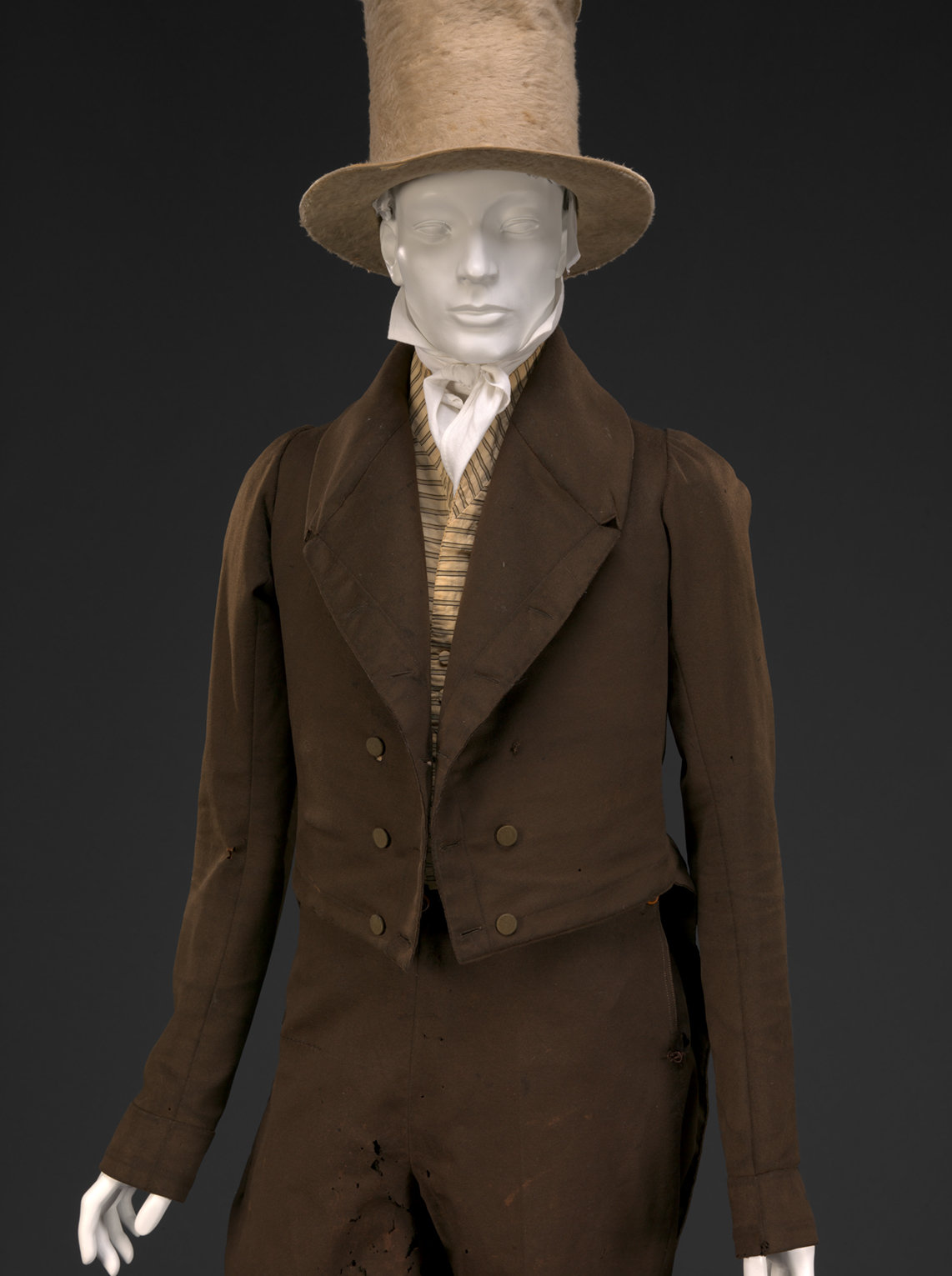
As curator of costume and textiles, I am in charge of the DAR Museum’s outstanding collections of clothing, quilts, and needlework. Instead of focusing on just one of these collections, my next exhibition will combine all of them. As part of the exhibit planning process, which begins several years in advance, I identify what objects will best convey the story. Sometimes I find the collection doesn’t have a particular item that best makes or illustrates an exhibition’s point. We call this a gap in the collection. Filling this gap is one of the reasons exhibit planning takes several years. For our last clothing exhibit, “’An Agreeable Tyrant,’: Fashion After the Revolution,” for example, we used Friends of the Museum funds to purchase some rare, early menswear.
Planning a DAR Museum Exhibit and Filling Gaps in the Collection

Combining all the types of textile objects in the collection will, we hope, appeal to a wide audience of people who love at least one category—whether you love quilts, embroidery, or historic fashion, there will be much to enjoy. As I compile my object list one of the questions I ask myself is, “Which of our many needleworks should I exhibit—preferably things that haven’t been on display before?”

While our quilt and needlework collections are excellent, and well-known among textile historians and enthusiasts, there are still examples of both items we lack. And our costume collection remains small, with many items on my “wish list” to flesh out and enhance the collection.
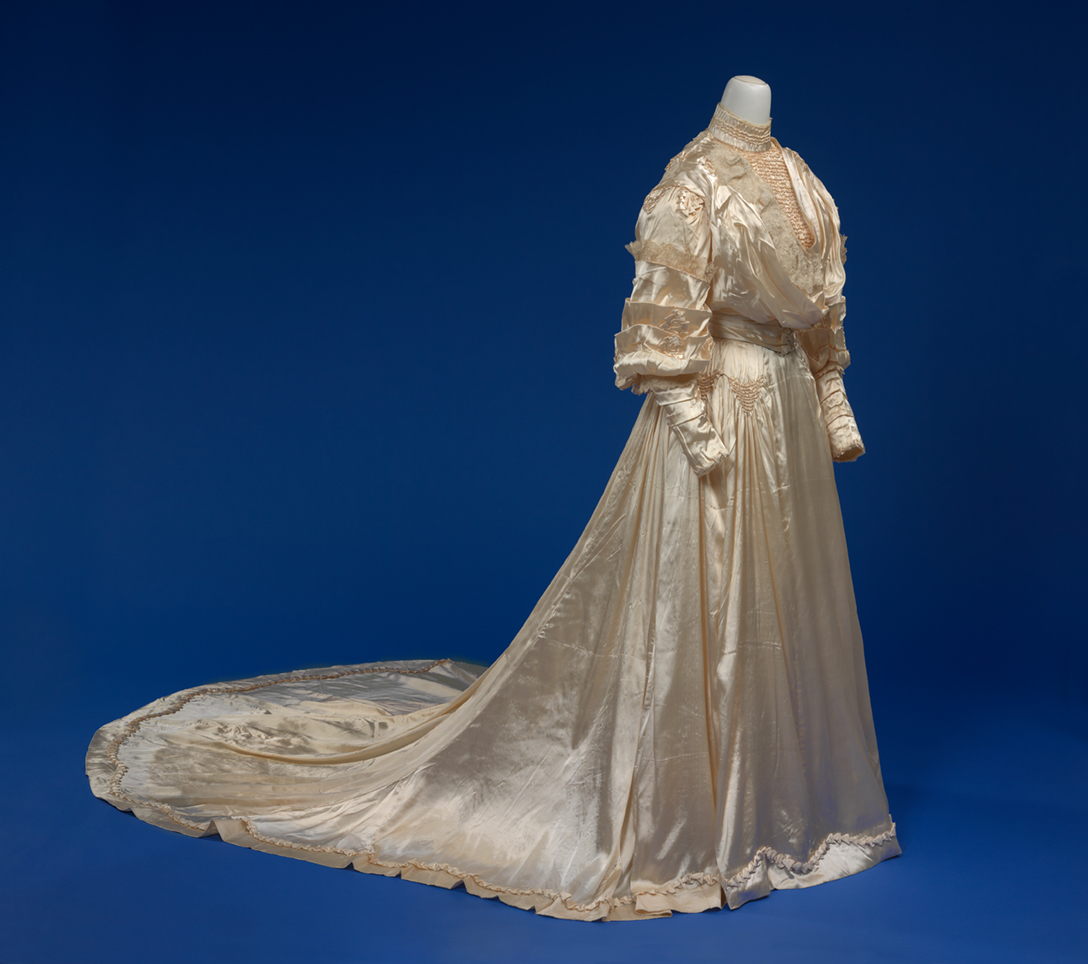
The primary ways we fill the gaps in the collection are through donations of objects by DAR members and the public, and by purchases made using our annual acquisitions budget which comes from the gifts members make to Friends of the Museum and Museum Keepers funds. Our annual acquisition budget is shared among five curators and divided among the many collecting areas you see represented in the museum. Our budget can extend even further if a donor helps us purchase a specific item we hope to acquire at auction or from a dealer. I’ve identified several items I would like to add to our clothing and textile collections, not just for the 2024 exhibition, but to fill long-term goals for improving our collection. We have hardly any evening dresses from the 19th century; and we are weak on highly fashionable examples of 1860s and 1880s dresses, for example. Hooked rugs are an area I’d like to improve on. And a prominent quilt dealer’s collection of quilts will be auctioned this spring and may very well have some great offerings to consider acquiring. If you would like to help us acquire something for the costume and textile collection, you can contact me through the museum’s main email address, [email protected].
