 Today's DAR
Happy birthday, DAR! The National Society Daughters of the American Revolution was founded 131 years ago today here in Washington, D.C. The DAR has accomplished much in all that time, but have you ever wondered about the Society’s first year and how it became so successful so fast?
Many of the organizing members were from distinguished, well-connected families and were able to persuade prominent women to apply for membership. They also made a shrewd choice when they asked the First Lady of the United States, Caroline Scott Harrison, to serve as the first President General. This focused national attention on the fledgling society and likely inspired several prominent, professional women with national reach and influence to join DAR.
Additionally, several further important decisions were made during the Society’s early days that indicated the desire for permanence. The DAR’s colors, a design for the Insignia, and the seal and motto were all chosen during the final organizing meeting on October 18, 1890. That these decisions were made well and quickly is important. The use of symbols both provide deep meaning to a group’s members and allow outsiders to recognize the organization. DAR Founder Mary Lockwood’s recommendation that the Society acquire “rooms and later a fire-proof building in which to deposit Revolutionary relics and historical papers” strongly suggests she intended DAR to continue indefinitely.
Receptions and parties were given during the winter of 1890—1891 featuring speeches and patriotic music to generate publicity and stir interest in honoring our Revolutionary War ancestors by joining DAR. Efforts apparently were successful as the first three DAR Chapters were founded in the spring of 1891: Chicago, Atlanta, and New York City.
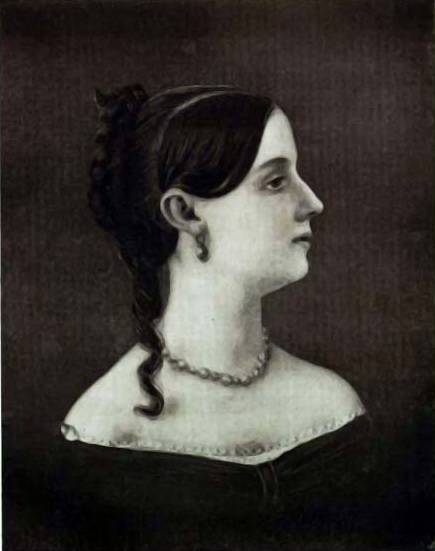
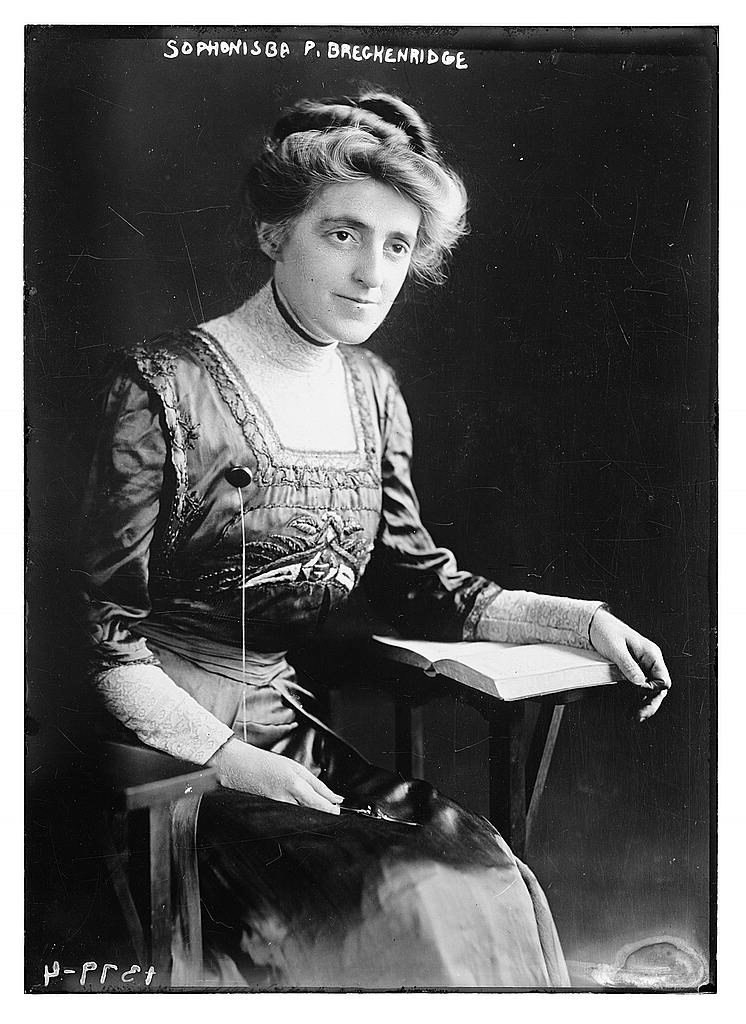
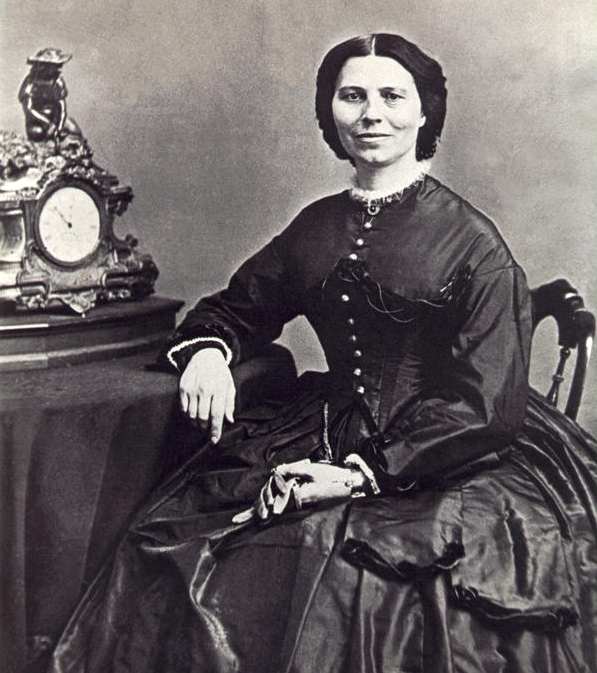
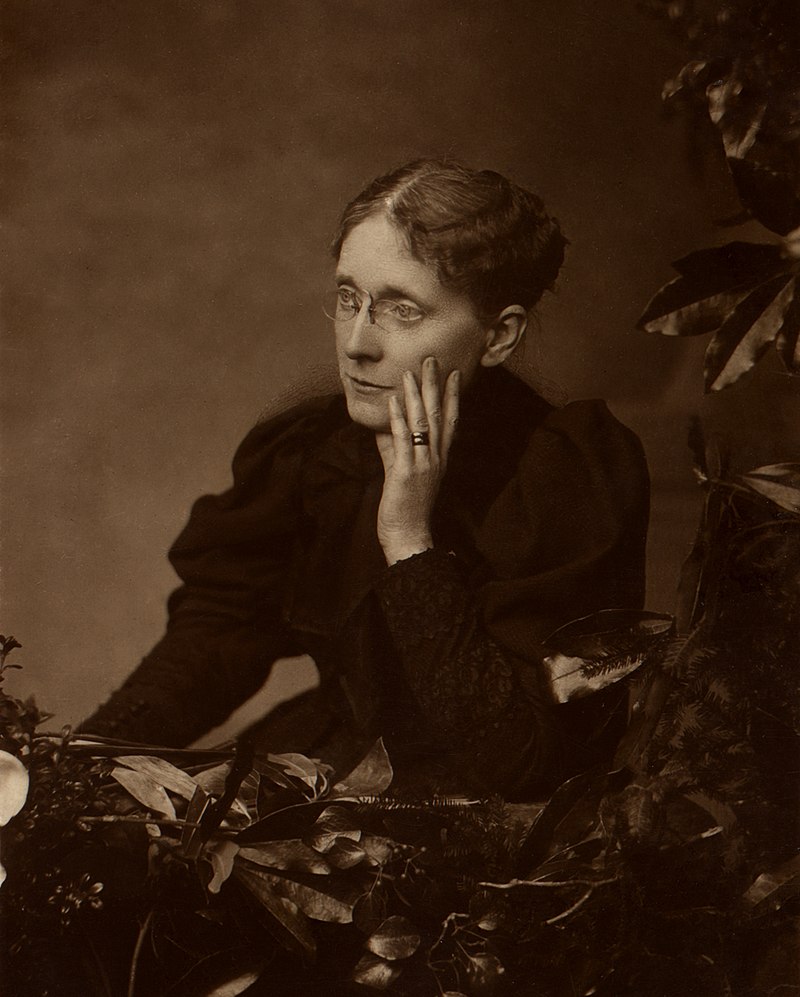
Although only 18 women attended the organizing meeting on October 11, 1890, a total of 816 women joined the Society during its first year. These women are the Society’s charter members and there were very accomplished people among them. Let’s look at just a few biographies.