
Shine a Light on Literacy

Alice Miles, National Chair, Literacy Promotion Committee

Literacy is defined as “the ability to identify, understand, interpret, create, communicate and compute, using printed and written materials.” To many of us, the ability to read and understand is second nature, and for 79% of U.S. citizens, this is true. Yet, according to the National Center for Educational Statistics, for the other 21% – or 43 million U.S. citizens – unfortunately, it is not. 

According to the National Assessment of Educational Progress, average reading scores fell between 2017 and 2019 for both fourth- and eighth-grade students: scores were lower by one point at fourth grade and lower by three points at eighth grade. By grade 12, the average score was two points lower in comparison to 2015. The National Center for Educational Statistics breaks out the below-grade-level reading number further: 35% are white, 34% Hispanic, 23% African American and 8% other. This puts the United States well behind several other countries, including Japan, Scandinavia, Canada, the Republic of Korea and the United Kingdom, for rates of literacy.
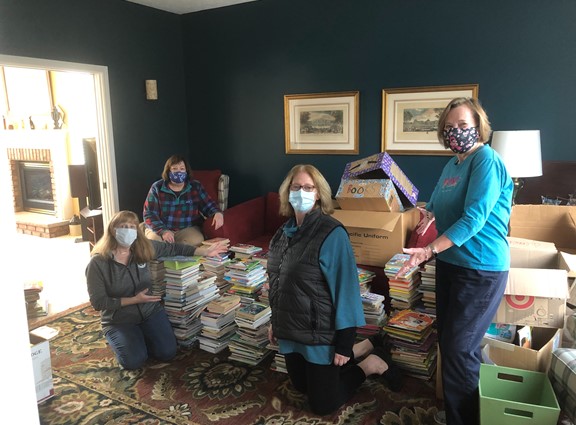
Getting children to read at grade level is a critical factor in setting them up for future success. Risk factors include whether the family has access to books and whether children are being read to before they can read themselves. The National Institute of Literacy reports that only about 50 percent of children are read to daily by family members. The reasons are many, tied in part to poverty and lack of literacy in the adult members of the household. The Yale Center for Dyslexia and Creativity estimates that 80 to 90 percent of children who struggle with learning disorders have dyslexia — as many as one in five children.

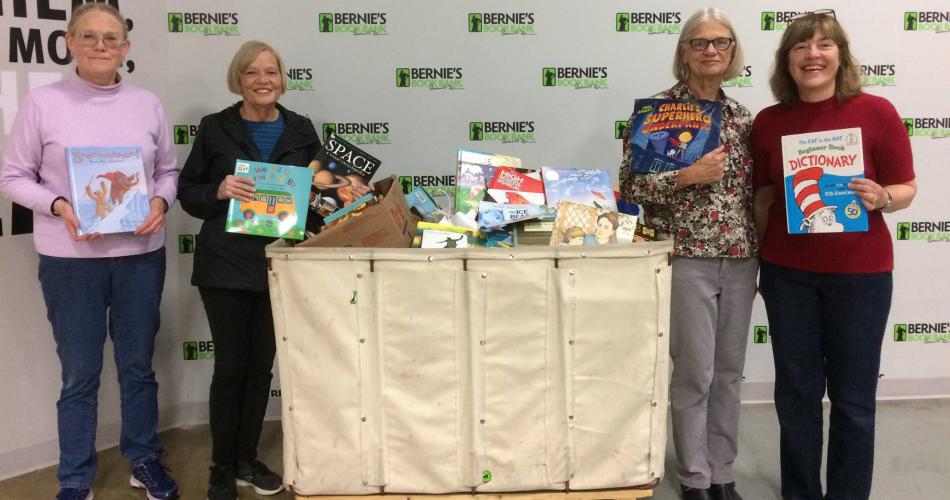
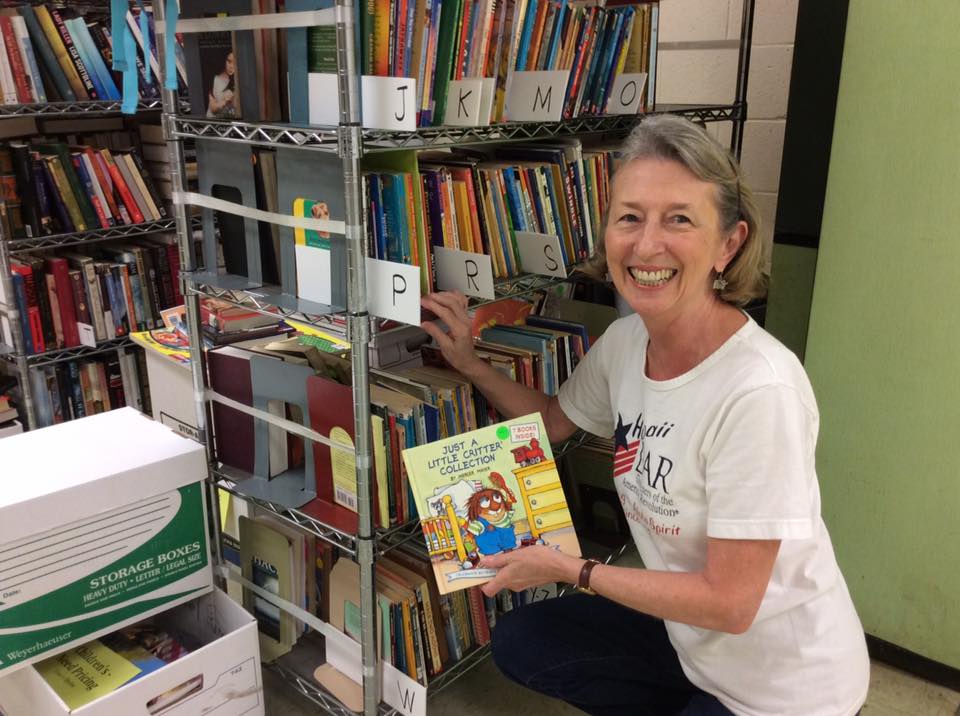
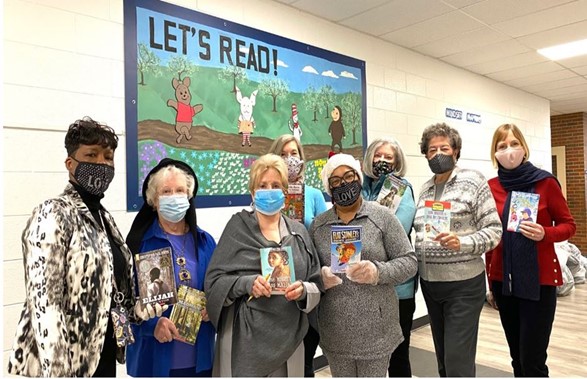
If you would like to help improve these outcomes, get involved with our Literacy Promotion Committee efforts. In 2020, 9,192 Daughters participated in literacy promotion, spending 38,739 hours assisting or promoting literacy in adults and 185,301 hours doing so with children. DAR chapters donated 197,787 books, and financial donations totaled $196,334. As amazing as those totals are, we quote our President General and ask, “Can we do more?” The answer? “Yes, We Can!”

Here are three ways that you can work to promote literacy efforts:

- Obtain a Literacy Promotion Proclamation

Contact the offices of your mayor, county administrator and/or state governor to ask them to sign the Literacy Promotion Proclamation honoring National Family Literacy Day, November 1. This helps to raise awareness of the importance of literacy for everyone.

- Present a Literacy Champion Award Certificate       

This certificate recognizes those individuals, DAR or non-DAR, who contribute within their community or state in an outstanding manner through service or by organizing/participating in community activities that promote literacy. This non-competitive recognition certificate has no application deadline and does not require any formal application approval. In 2020, Literacy Champion Award Certificates were presented to 70 deserving individuals.

Full details for both the Literacy Promotion Proclamation and the Literacy Champion Award Certificate are available on the Members’ Website. Both are in a fillable format. Simply add details and print on card stock.

- Conduct a Literacy Promotion Service Project

Our committee’s Outstanding Service Contest recognizes DAR members, chapters or state societies for outstanding dedication to promoting literacy in children and adults. Visit our Literacy Promotion Committee National Webpage for complete instructions, resources, contact information, links to the contest forms with instructions and PowerPoint presentations.

Finally, learn more and share your success stories by joining our DAR Literacy Promotion Facebook pageWe currently have 224 members who share projects, laughs and ideas. Please join us!

send-a-commentSend Us a comment