
Forensics and the Creation of a New Online Museum Exhibit

Heidi Campbell-Shoaf, DAR Museum Director and Chief Curator

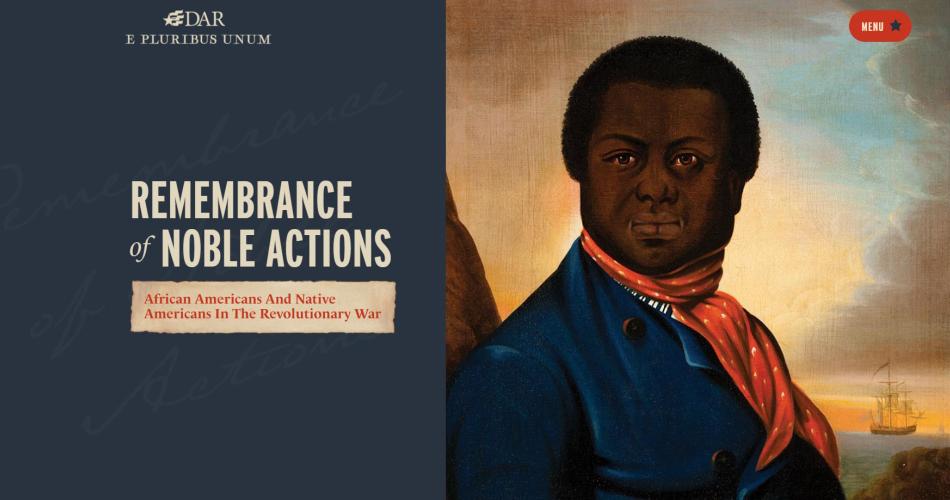
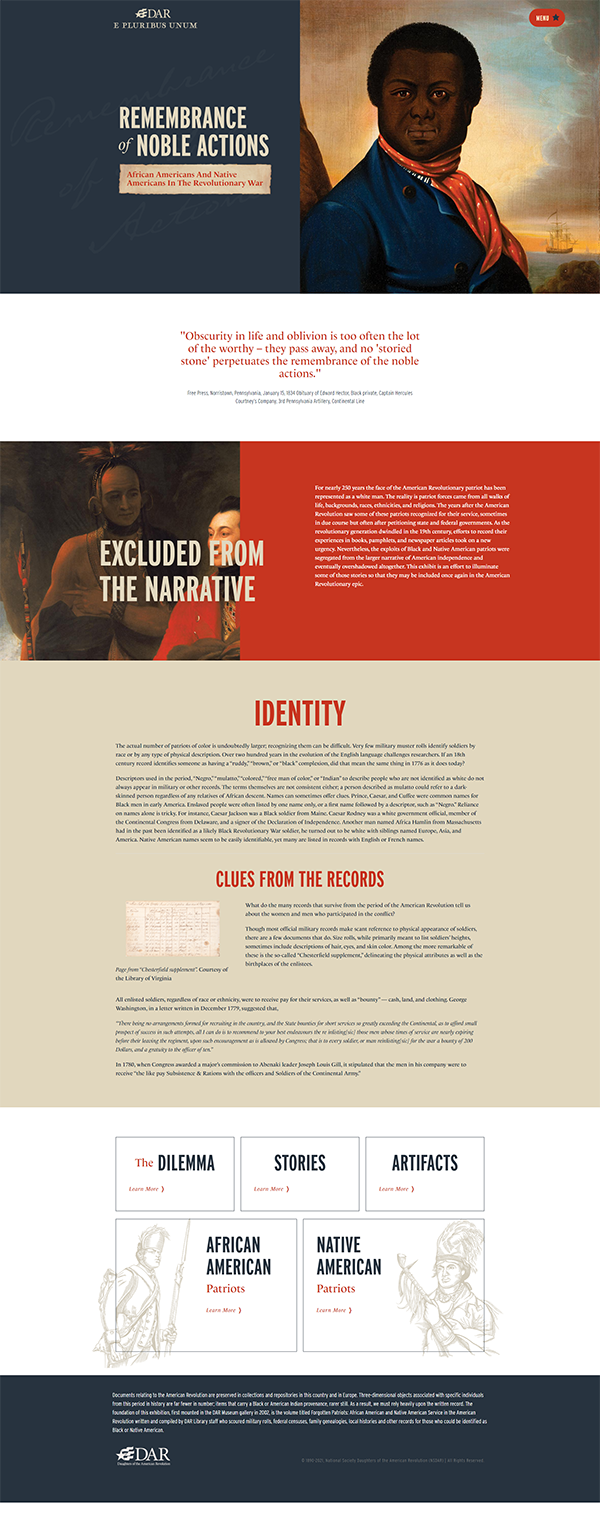
"Obscurity in life and oblivion is too often the lot of the worthy – they pass away, and no 'storied stone' perpetuates the remembrance of the noble actions." So begins Edward Hector’s obituary published in the January 15, 1834 issue of the Norristown (Pa.) Register. The tribute goes on to say that “in [the American Revolution] he risked all he had to risk – his life; and survived…to witness the prosperity of a country whose independence he had so nobly assisted to achieve, and which neglected him in his old age.” It is this obituary that inspired the title of the new online exhibit, Remembrance of Noble Actions: African Americans and Native Americans in the Revolutionary War created by DAR Museum staff to accompany the E Pluribus Unum Educational Initiative.

Unveiled earlier this year, the new exhibit is based heavily upon a gallery exhibition mounted by museum staff in 2002 titled, Forgotten Patriots. The curators and researchers of the now 20-year-old exhibit no longer work at DAR Headquarters so to create the new version, current museum staff William Strollo, Carrie Blough, Anne Ruta and I, had to do some exhibit forensics. As historians all know, history is ever-changing. New discoveries offer new insights into the past and perspectives and understanding evolve with the passage of time. So, in addition to tracking down the sources for images and written content used in the old exhibit, we were able to add new information as well.

One thing that proved challenging was securing permission to use images of objects held in museums and archives around the country while most of those institutions were closed to the public due to Covid-19 shutdowns. While some institutions couldn’t help us, we were thankful that our colleagues at many others were still working, albeit from home, often with access to digital versions of the pictures we needed. Carrie Blough and Anne Ruta did most of the heavy lifting of the image permissions with William Strollo securing pictures of documents from the Library of Congress and National Archives.

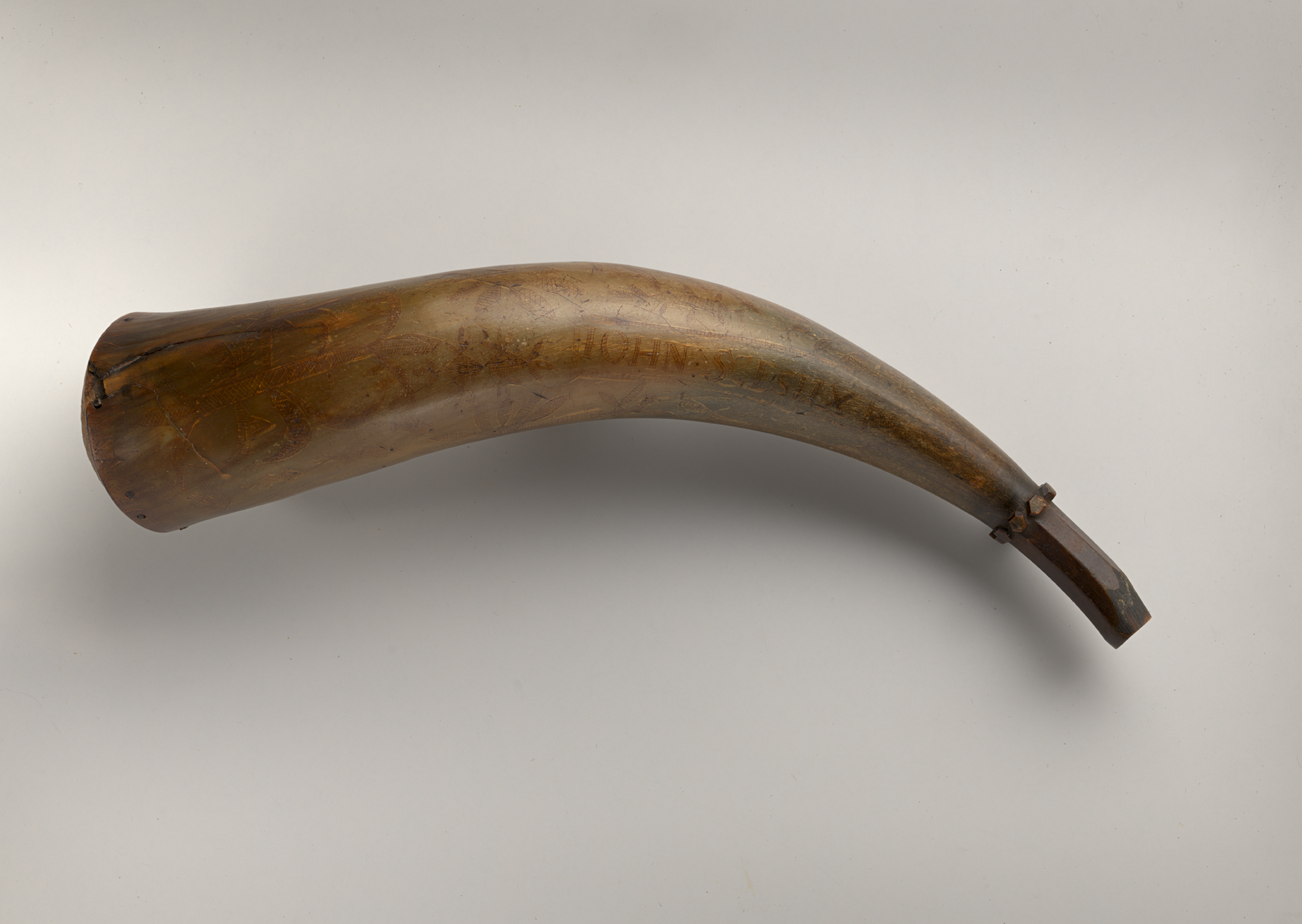
At the same time William, Carrie and I, started working on the text. We read articles and books about African American and Native American participation in the Revolutionary War to ensure the information in the exhibit was accurate and up to date with current research. We wrote a new introduction and conclusion as well as entries related to objects recently added to the DAR Museum collection, and thus the exhibit, including the silhouette of Prince Simbo and the powder horn owned by John Scesux.

When we were finished, we asked two subject matter experts to review the exhibit and offer suggestions and corrections. While we could read about Native American and African American history, that did not make any of us experts. Consulting scholars in the field who have a deeper understanding of the subject matter greatly improved the final product. Creating a museum exhibit from scratch normally takes several years from start to finish. Working with the foundation of the earlier exhibit sped the process but it also posed its own challenges; from deciphering the original intent of the object and subject choice to finding replacements for which we could not obtain images. In the end, we were able to bring the experiences of those who had spent too long in “obscurity” so a new audience could remember their noble actions.

send-a-commentSend Us a comment