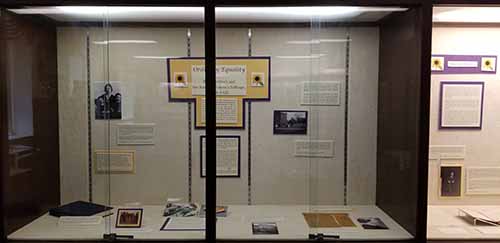

Announcing a New NSDAR Archives Online Exhibition! Ordinary Equality: DAR Members and the Road to Women’s Suffrage, 1890—1920

Amanda Vasquez, DAR Archivist

We are pleased to announce the exhibit, Ordinary Equality: DAR Members and the Road to Women’s Suffrage, 1890 – 1920, is now available on DAR’s website. The exhibit’s origins come from the book Ordinary Equality compiled by Tracy Robinson, Director of Archives and History, and the original exhibit  that debuted in the Americana Room in 2019. The online exhibit highlights DAR members who were active in the era leading up to the ratification of the 19th Amendment.

The DAR recently wrapped up a multiyear celebration of the centennial anniversary of women’s voting rights. On August 26, 1920, American women were granted the right to vote when the 19th Amendment to the United States Constitution was certified. Consequently, on Tuesday, November 2, 1920, 26 million American women voted in the U.S. presidential election. DAR members across the U.S. celebrated the centennial with their chapters and state societies throughout 2019 and 2020. During the week of August 26, 2020, Memorial Continental Hall, home to DAR’s Headquarters, was lit up in the historic suffragist colors of purple, white, and gold for Forward Into the Light, a nationwide effort which was coordinated by the U.S. Women’s Suffrage Centennial Commission. The same week, DAR President General Denise VanBuren attended the Toast of Tenacity in Philadelphia. During this event guests celebrated the centennial anniversary by staging a sendoff for the Justice Bell, the same bell that rang out in Independence Square when the 19th Amendment was ratified.

The Ordinary Equality exhibit at DAR Headquarters will end soon, but you will now be able to visit it online. Here you can learn about DAR members who brought about change in the years leading up to the ratification of the 19th Amendment. The exhibit begins with the 1848 Seneca Falls convention. Throughout the exhibit, DAR members are celebrated for their impact on society. During this era women had increased opportunities for education and there was a growing societal acceptance of educated women working in professional fields and with reform movements. 

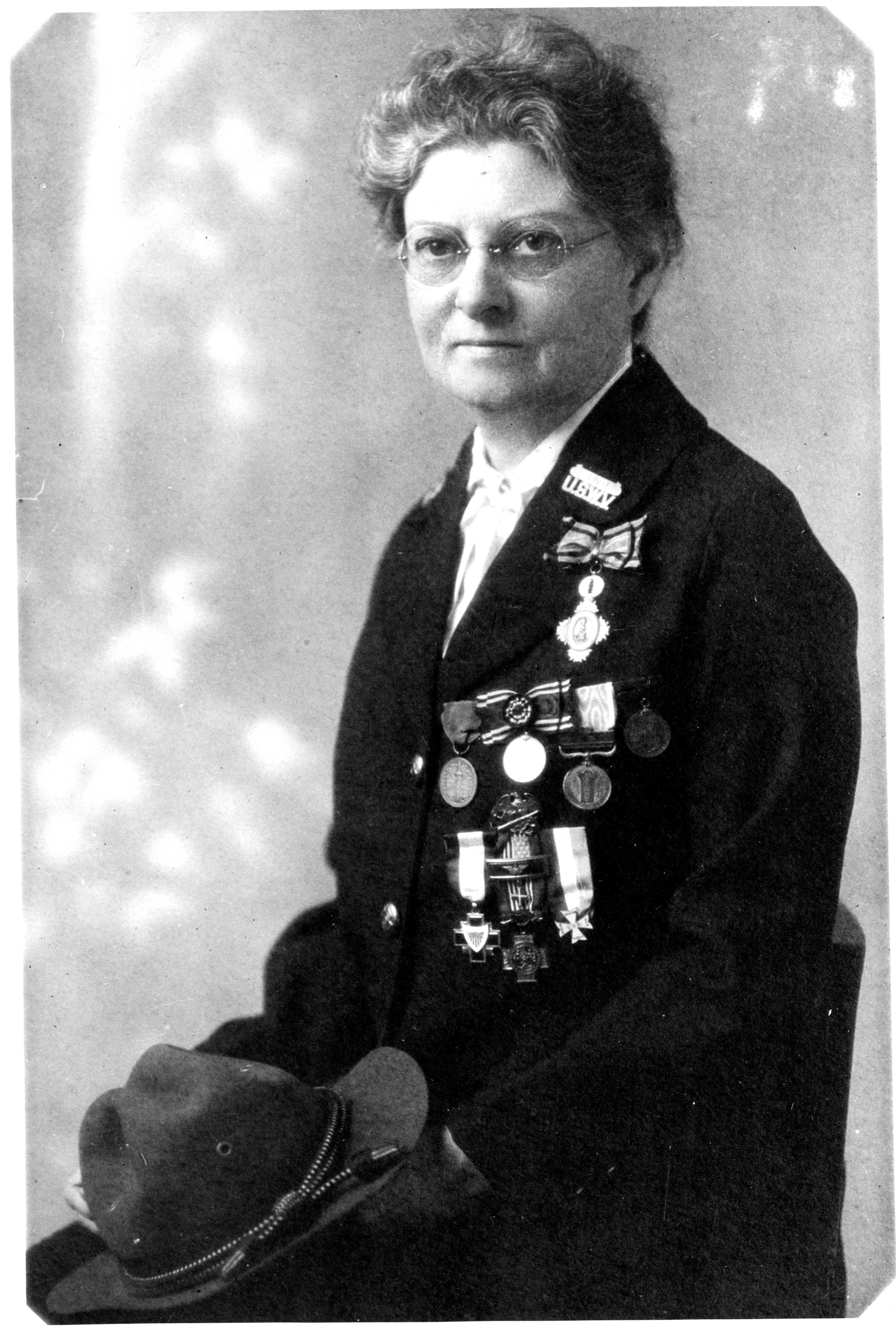
For example, Dr. Anita Newcomb McGee earned her medical degree from what is now George Washington University. When the U.S. government added female nurses to the nursing corps during the Spanish-American War, Dr. McGee urged the U.S. Surgeon General only to employ fully qualified nurses. She got the newly created DAR involved in screening applicants for army nursing and in 1901 she was involved in the founding of the Army Nurse Corps. 

Another reformer and DAR member was Albion Fellows Bacon. At the turn of the 20th Century, she was concerned with how industrialization and urbanization affected the living conditions of poor and working-class people. In her home state of Indiana, she was pivotal in passing housing legislation in 1909, 1913, and 1917. The 1917 law provided for the condemning of unsafe and unsanitary residential buildings. Albion Bacon was appointed to the President’s Conference on Home Building and Home Ownership due to the solid reputation she earned. Evansville, Indiana, recognized her by naming Albion Flats, a block of apartments built in 1911 in an attempt to improve living conditions, after her.

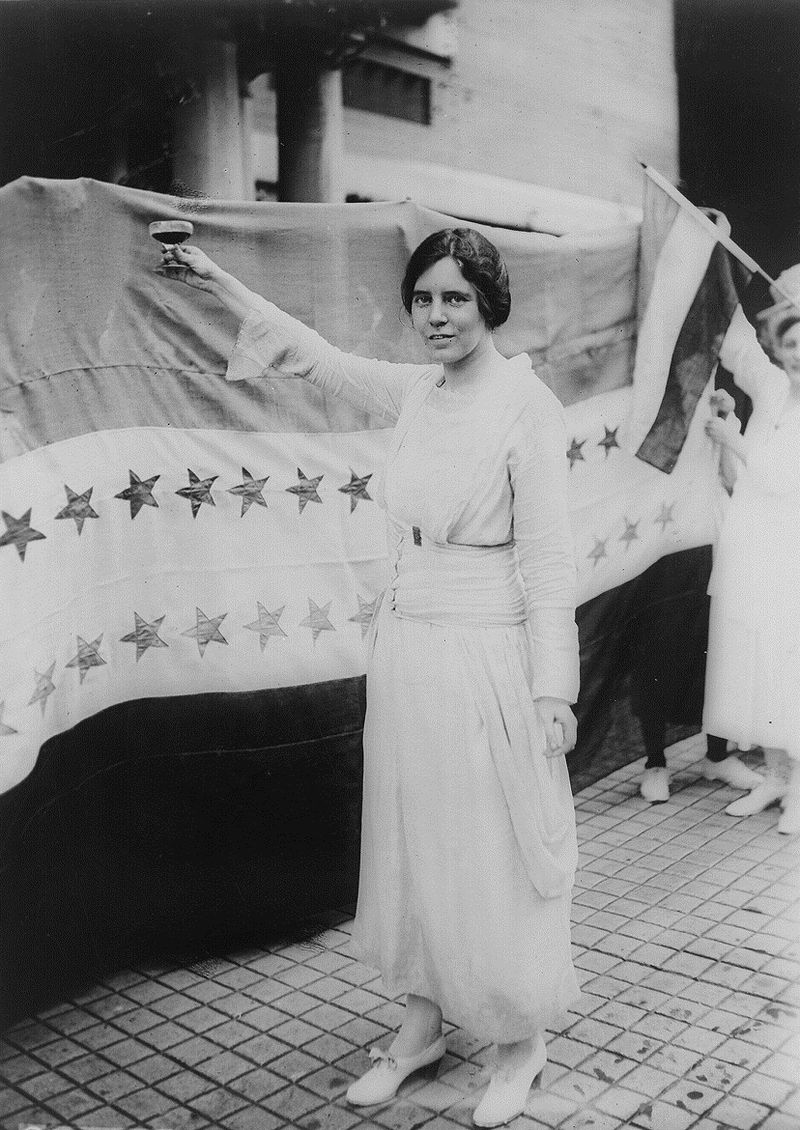
The efforts by these women, and many more, improved living conditions, education, and quality of life for millions of American men, women, and children. Several prominent suffragists are highlighted in the exhibit including DAR member Alice Paul, who inspired the exhibit’s title with her famous quote, “I never doubted that equal rights was the right direction. Most reforms, most problems are complicated. But to me there is nothing complicated about ordinary equality.” We hope you enjoy visiting the online exhibit and reading about the many ways DAR members helped create change during this era.

send-a-commentSend Us a comment