 Today's DAR
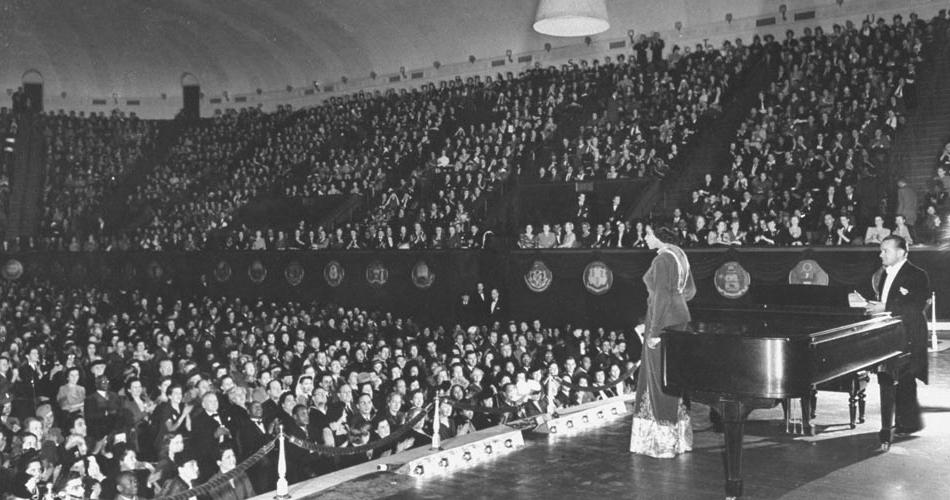
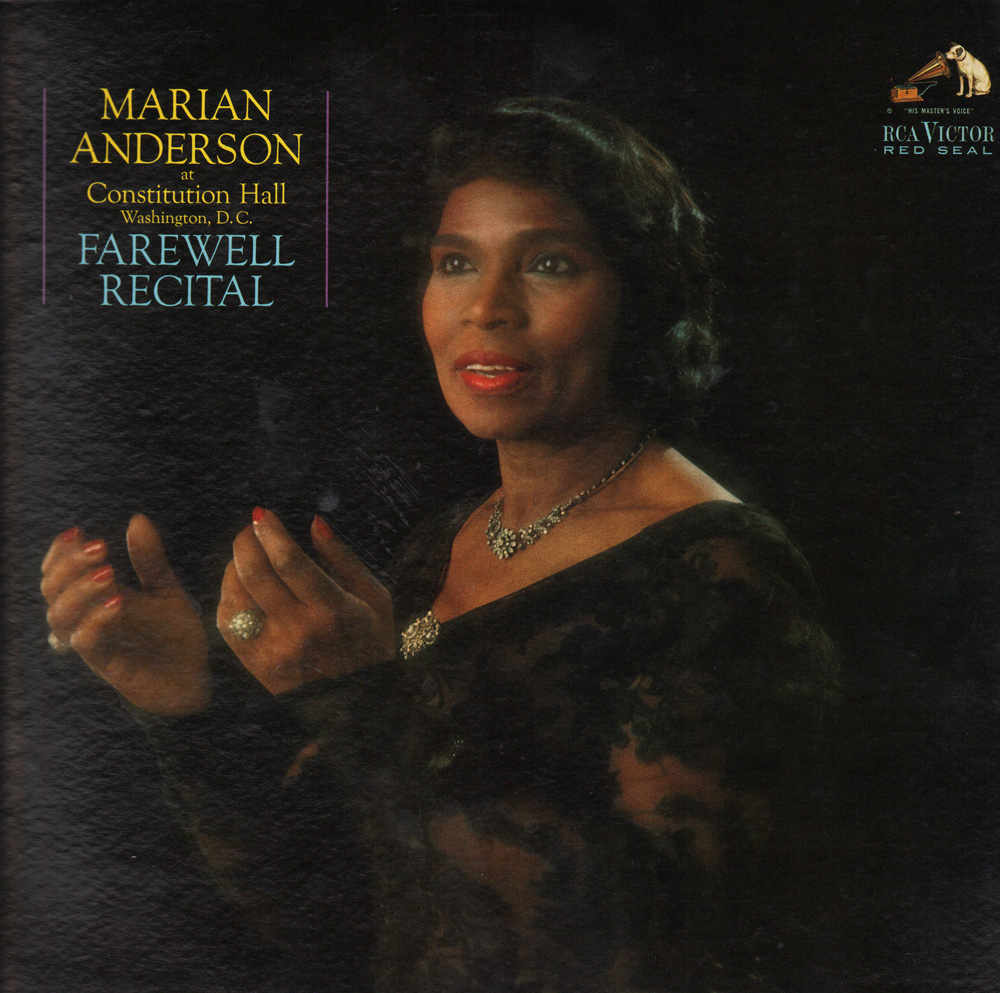
This month we commemorate the 78th anniversary of American contralto Marian Anderson’s debut performance at DAR Constitution Hall. On January 7, 1943, Marian Anderson crossed the Constitution Hall stage for the first time to perform a war relief concert; she would go on to sing from our historic auditorium five times before the end of her career, including the launch of her farewell tour in 1964.
Yet, it is, of course, her 1939 denied request that is most remembered – and most recognized as a critically needed catalyst for change within both our National Society and our nation. It is important that we, as members of the DAR, understand not only the details of what occurred but also the role DAR members later played in working to advocate for change.
Marian Anderson’s iconic concert on the steps of the Lincoln Memorial on April 9, 1939, resulted from a decision by the DAR National Board of Management to enforce a “White Artist Only” policy for our Constitution Hall. Segregation was not required in the District of Columbia at that time; our Society’s leadership chose to refuse the concert. It is painfully obvious for us to acknowledge this in 2021, but we must also realize that they were acting in what they believed to be the best interest of the National Society at a very different time in American history.
It also saddens me that so many people know this story – and seemingly only this story – about our National Society. Far too few Americans appreciate the vibrant service of our organization today because they have allowed only the events of 1939 to shape their impression of who we are and for what we stand. I know that is incredibly frustrating to all of us.
But in truth, DAR has been – and forever will be – linked to Marian Anderson, and we must accept this part of our history. Therefore, we must do all that we can to demonstrate to the public that the DAR of today is a vibrant, relevant and tolerant organization of American women who are united by Patriot ancestors who founded our nation on the concept that all men (and women!) are created equal. When we rise in service and we shine through public outreach, we demonstrate the true spirit of DAR today – that is how we will change public conceptions about our organization.
Meanwhile, I invite you to learn more about what occurred in 1939. The Marian Anderson section of our DAR website includes many resources and publications and a timeline of documents from our NSDAR Archives related to the events. The website also includes information on how DAR has worked to celebrate the legacy of Miss Anderson and the impact she made on the world. The following overview explains our relationship with her after the events of 1939 in order to help us all better understand “the rest of the story.”
Marian Anderson and the DAR Post-1939
DAR made its first step toward healing relations with Miss Anderson when our Society invited her to sing in Constitution Hall in January 1943 as a part of the first concert in a series of benefit performances to aid in the war relief. While the DAR made the invitation with the stipulation that Constitution Hall would not change its formal “White Artist Only” policy, DAR did agree to a request from Marian Anderson and her manager that the concert be unsegregated – creating the first time in its history that DAR permitted a desegregated audience in Constitution Hall. As the largest performing arts venue in the District of Columbia, this was a significant movement forward, of which we should all be proud.
Our membership was instrumental in helping to bring still more change. We know this from the collection of papers received several years ago from the estate of then-President General Sarah Robert. Letters from the Sarah Robert Papers reveal that there was in fact a wide spectrum of opinions about segregation within the DAR, just as there was across America at this time.
I am certainly grateful that there were progressive women who chose to stay members of our Society and work from within to move forward more enlightened policies for our organization and our nation. I am also grateful that our Society’s leadership chose to hire a new Constitution Hall manager, Harold Maynard, to manage operation of the Hall in the early 1950s, as he advocated to remove the segregation policy, which finally ended in 1953.
Marian Anderson returned to Constitution Hall’s stage March 14, 1953, as part of an American University concert series, receiving payment for the first time for performing in Constitution Hall and singing to an integrated audience. How I wish that I had been present to witness important moments like these in our National Society’s history! While it took far longer than any of us would have wanted, removal of the “White Artist Only” clause from Constitution Hall contracts occurred a full decade before the Civil Rights Act of 1964 and nearly a year before Miss Anderson became the first African American to sing a leading role at the Metropolitan Opera House. (In fact, her celebrated debut at the MET came on the 12th anniversary of her 1943 debut at Constitution Hall).