
When Women Lost the Vote: A New Exhibition at the Museum of the American Revolution

Marcela Micucci, Postdoctoral Curatorial Fellow in Women’s History, Museum of the American Revolution

As we rapidly approach a historic presidential election, the Museum of the American Revolution in Philadelphia is looking back to a little-known moment in our nation’s suffrage history: when women and free people of color were legally entitled to vote from 1776 to 1807 in Revolutionary New Jersey. The story is told in the groundbreaking new exhibition, When Women Lost the Vote: A Revolutionary Story, 1776 – 1807, which runs from October 2, 2020 through April 25, 2021.

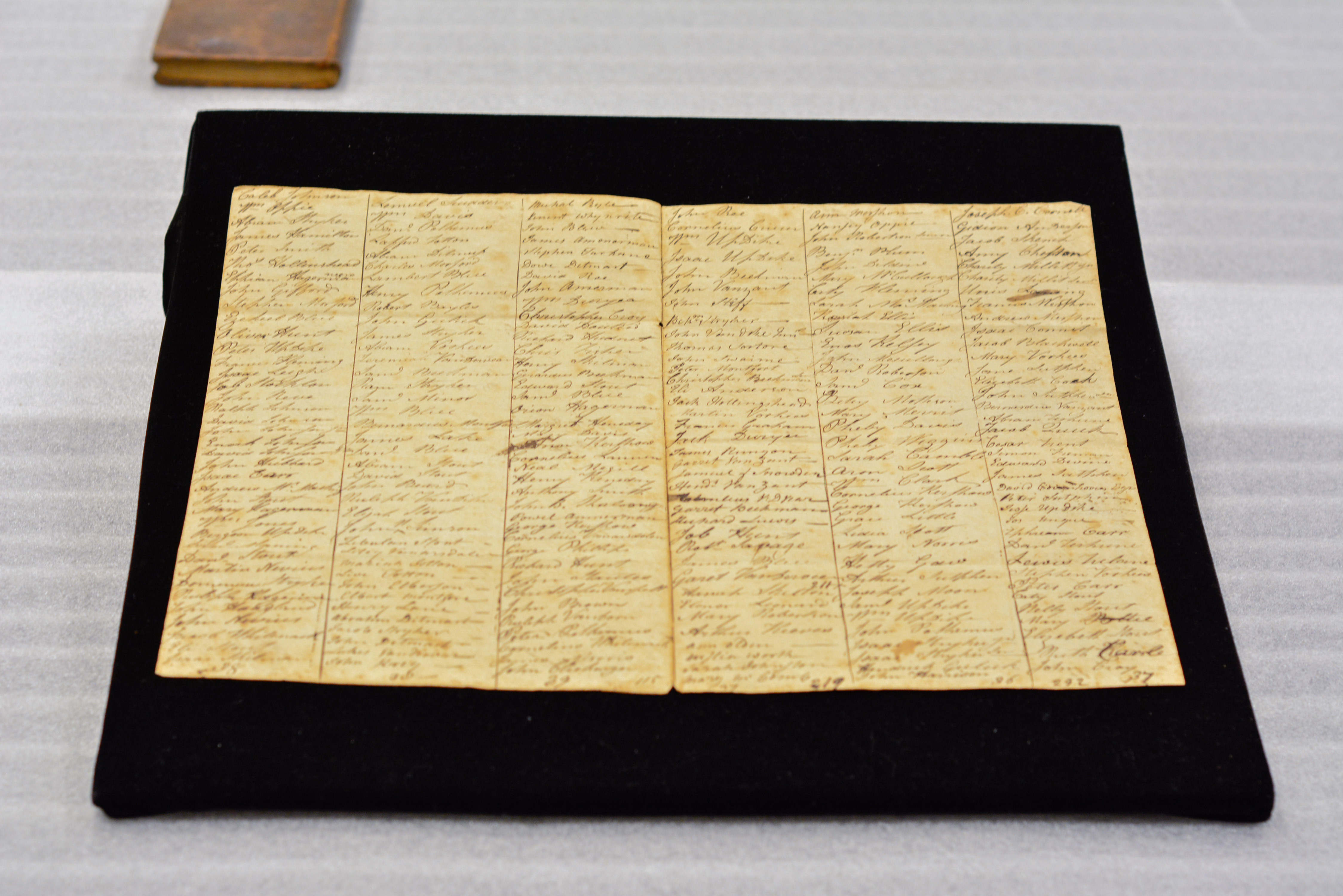
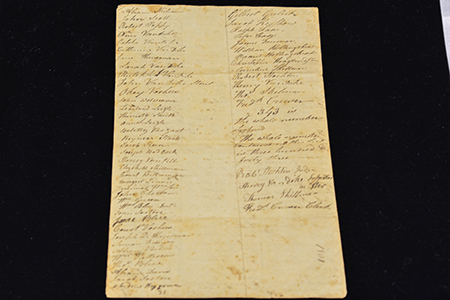
A generous $25,000 grant from the NSDAR in 2018 helped launch the groundbreaking research for this exhibit, which has provided proof of women voting during this period. Featured in the exhibition will be several recently discovered poll lists that document -- for the first time -- that large numbers of women voted in New Jersey between 1776 and 1807. To date, there have been 163 women voters and at least four free Black male voters identified on these lists who cast ballots across the state from 1800 to 1807.
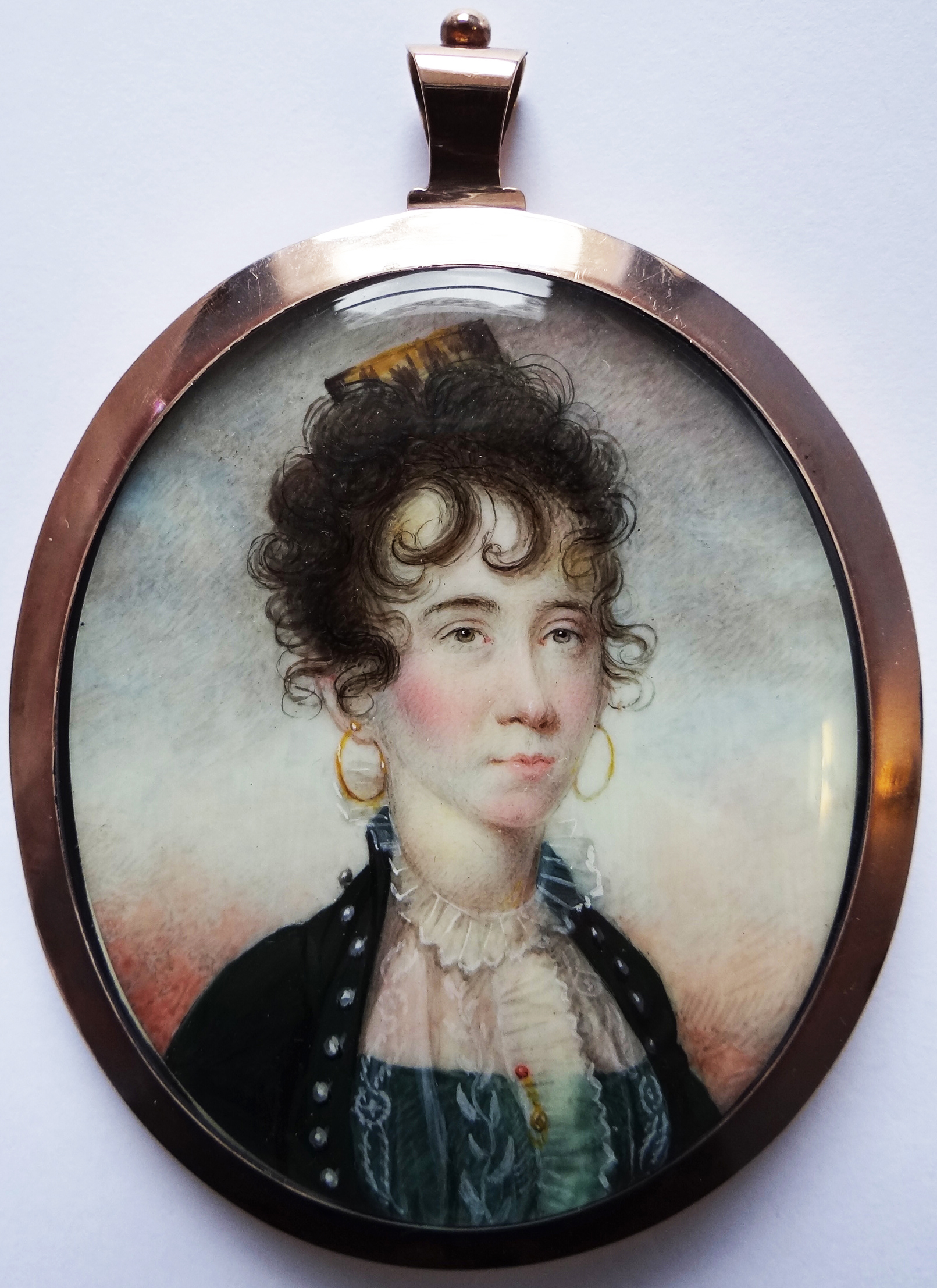
These lists introduce new stories of the first women voters in the United States – stories of the forgotten women who pioneered the vote. One of those women was Martha Githens, who voted in Chester Township, Burlington County, New Jersey in 1807. Githens voted as a single woman alongside her sister Rebecca, her older brother Allinson, and her father George. She had the miniature pictured here commissioned as an engagement present to her fiancé two years earlier, in 1805. But in a tragic turn of events, Githens’s fiancé, Jacob Rowan, drowned just before their wedding. She never married.

Additionally, the DAR Museum has loaned a muslin dress to the Museum of the American Revolution for this exhibit. The dress is a sheer white cotton woven and embroidered in India and represents the height of cutting-edge neoclassical fashion of about 1800-1805. It descended in a New Jersey branch of the Livingston family, of which Robert Livingston, founding father and later ambassador to Paris, is one of the most prominently known members. The most likely owner of this dress is Eleanor Armstrong, daughter of Susanna Livingston and James Francis Armstrong, b. 1785 in Trenton NJ and married there in 1803. (It may have been her wedding dress, not because it was white but because brides wore the most fashionable dress they could afford, and white dresses would be the most fashionable choice at this time.)

Featured in the exhibition will be the original manuscript of the letter Abigail Adams wrote to her husband John urging him to “Remember the Ladies,” on loan from the Massachusetts Historical Society. Its display in the Museum’s gallery marks the letter’s first return to Philadelphia since John Adams originally received the letter in 1776!

In October, the Museum will install a new historical tableau scene featuring women at the polls in Montgomery Township, Somerset, New Jersey in 1801. The scene will include lifelike figures of two white women and one woman of color – encouraging visitors to consider the complexity of laws that allowed propertied women, both of European and African descent, to vote, but also defined women that were enslaved as property. The tableau will remain on permanent display.

When Women Lost the Vote will be integrated within the Museum’s permanent galleries for a six-month period and connected by an audio tour, embedding this new scholarship by the Museum’s team and nearly 70 related objects into the permanent exhibition. In this way, this exceptional story will enrich the Museum’s core narrative and delve even deeper into the complexities of the founding of our nation and the implications of the Revolution.

For those who cannot make it to the Museum, the exhibition also will be made accessible to remote visitors from around the world through a robust, free online experience, launching in the Fall of 2020. The online experience will feature explorations of the newly discovered poll lists and other primary source documents; a look at history-making discoveries and how historians and genealogists do their work; provocative questions, exercises, and prompts for discussion; as well as a glossary of terms, and opportunities to learn more. It also will include interviews with the exhibition’s curators, eminent historians, and other special guests. A full, downloadable teacher resource guide will accompany the exhibition’s virtual experience, allowing the opportunity for classrooms and DAR chapters around the country to explore the virtual exhibit.

To inquire about how your DAR chapter or local school can have an educator-led, virtual tour of WWLTV, call 267-579-3623 or email [email protected] at the Museum of the American Revolution.

Image Credit: Martha Githens, ca. 1805, Painted by Raphaelle Peale, Image used with permission of the photographer

Image Credit: Poll List, Montgomery Township, New Jersey, October 13 & 14, 1801, Courtesy of the New Jersey State Archives, Department of State

send-a-commentSend Us a comment