
Commemorating the 250th Anniversary of the Boston Massacre – The National Society’s First Semiquincentennial Observance

Denise Doring VanBuren, President General

Tensions were rising. Tempers were flaring. The crowd that gathered in the streets of Boston on the night of March 5, 1770, was about to ignite an incendiary flare that would spark a firestorm; when the chaos ultimately dissipated, five men would be dead. The soldiers who shot them would soon stand trial for the deaths. And America would be closer to rebellion.

These, of course, are the events of what came to be known to Americans as the “Boston Massacre.” The British would later describe it as the “Unhappy Disturbance at Boston.” While both sides may have contested the details, all could agree that it was a powerfully disturbing incident – a deadly confrontation that propelled the Colonists toward their separation from Great Britain.
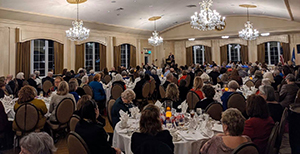
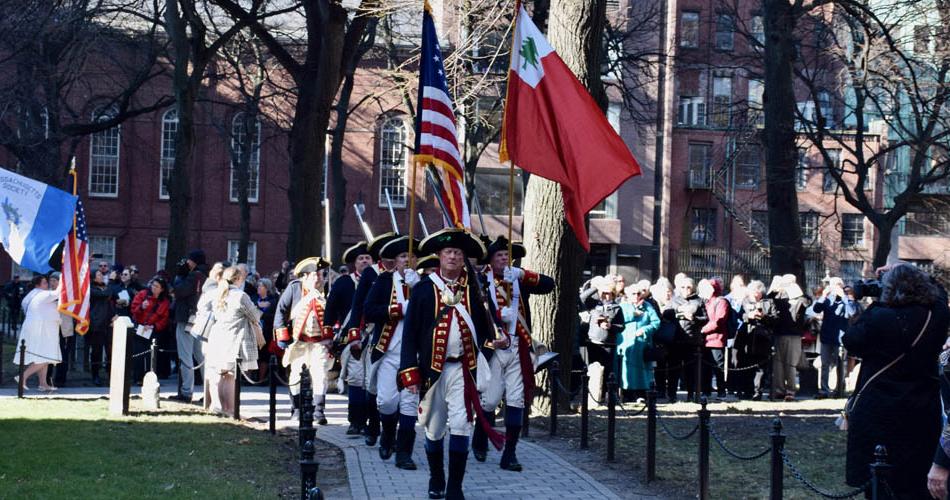
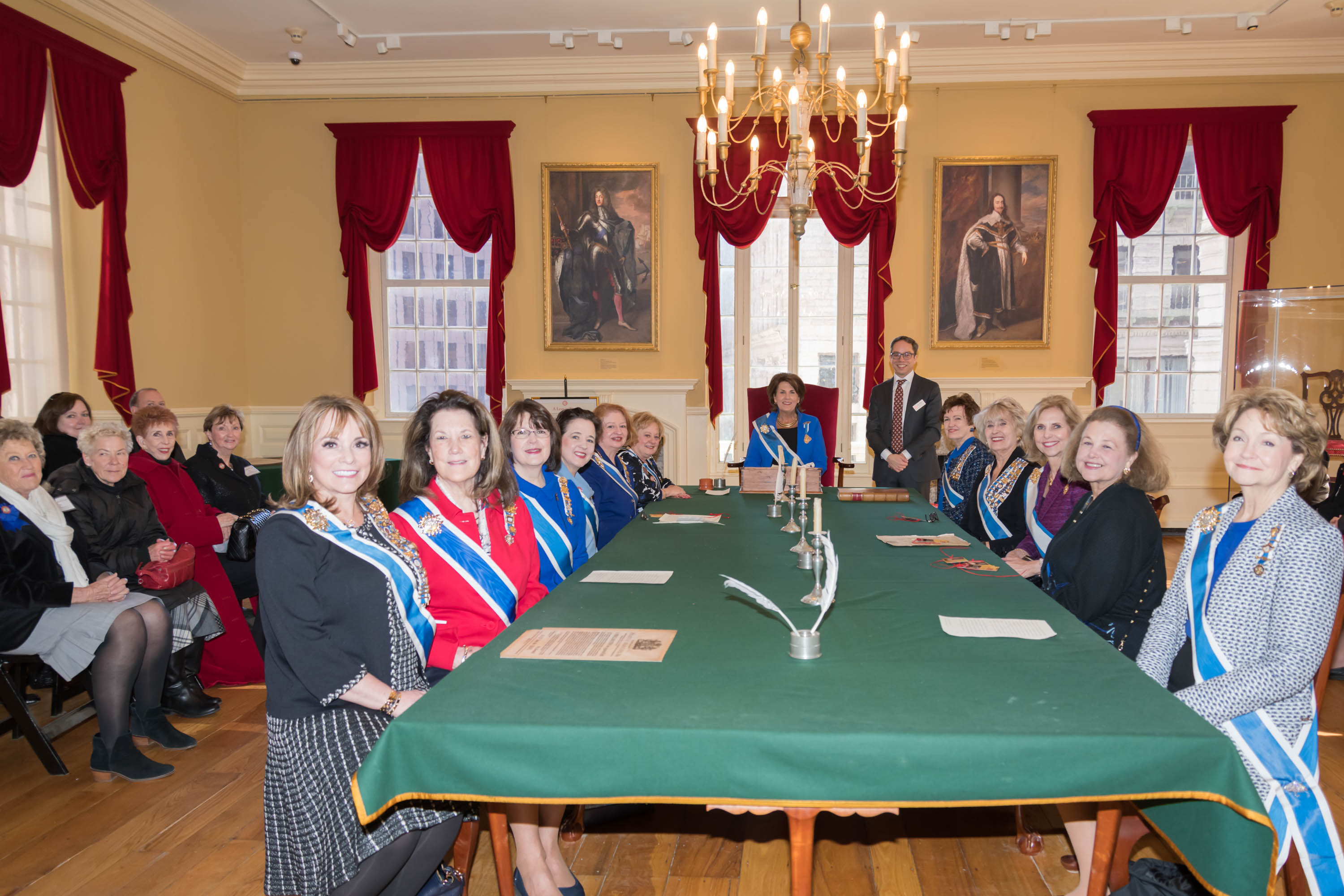
As the first formal observance in honor of America’s semiquincentennial, more than 200 Daughters representing 19 states and their guests traveled from across the nation to mark the 250th anniversary of the Boston Massacre on March 4-5.  In a series of events that were superbly organized by Commemorative Events National Vice Chair Julia Eacott and her dedicated committee, including Historian General Laura Kessler, we discussed the significance of the Boston Massacre and recalled the lives of its martyrs.  We paid due and proper respect to this chapter in American history, including the role that John Adams would play in defending the British soldiers. We recalled the events of March 5, 1770, to not only honor those who participated but to also remind contemporary Americans of the sacrifices made by those who founded our nation. 

Our delegation enjoyed the privilege of staying at the historic Omni Parker House hotel, where a remarkable formal banquet was held on Wednesday night. The inspiring keynote address was provided by Robert J. Allison, local historian and author.  We were especially pleased to welcome Honorary President General Lynn Forney Young, who serves on U.S. Semiquincentennial Commission, as one of those who addressed our assembly to discuss the significance of the nation’s 250th birthday and the Commission’s efforts to suitably mark the occasion.  

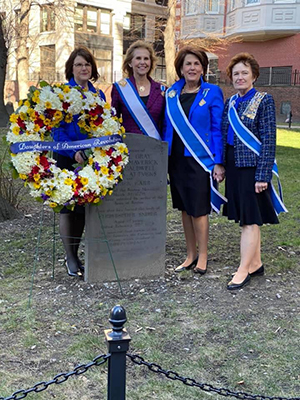
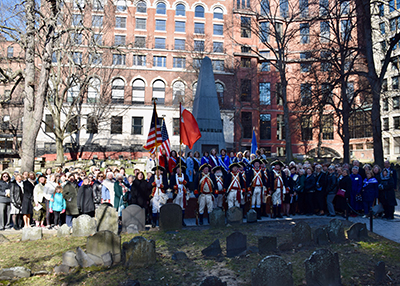
On Thursday morning, we gathered in the blustery-but-sunny historic Old Granary Burying Grounds to honor the memory of the victims of the Boston Massacre: Crispus Attucks, Samuel Gray and James Caldwell, who died at the scene, and Samuel Maverick and Patrick Carr, who died within a week from their wounds. Mrs. Kessler’s moving tribute to the men served as a solemn reminder of their sacrifice. In particular, Attucks, a man of color, who was the first to be killed, earned his vaulted place in our collective memory as the first man to die in the American Revolution. Standing at their graveside is a humbling experience. For those who could not attend the ceremony, you may read the script here and see the program here.

Following our formal ceremony, participants boarded three coach buses to explore some of Boston’s storied Revolutionary War history, including the Paul Revere House (saved by DAR), the Old State House and Faneuil Hall. It was a privilege for us to walk in the footsteps of the Revolutionaries who charted the course for our independence, and we thank the Massachusetts Daughters who ensured that every possible courtesy was enjoyed.

The ceremonies and tours reminded every participant of the importance of what we do as members of DAR: ensuring that these epic historical events will not fade from the public’s consciousness in order that current and future generations will better appreciate both who we are as a people and those who served and sacrificed to create our nation. To those who took to the streets of Boston on March 5, 1770, and to the women who gathered to remember them 250 years later, on March 5, 2020, I say, “Huzzah!”

Read this great article in the Boston Globe about the ceremony.

(P.S. Incidentally, when planning first commenced for the ceremony more than two years ago, it was our hope that snow would not be too deep nor temperatures too frigid to allow us access to the gravesite. Obviously, Mother Nature must be DAR, because we instead enjoyed plenty of sunshine and comparatively balmy temperatures in the upper forties throughout our stay in Boston. It was, indeed, a joy to Rise and Shine for America!)

send-a-commentSend Us a comment