 Today's DAR

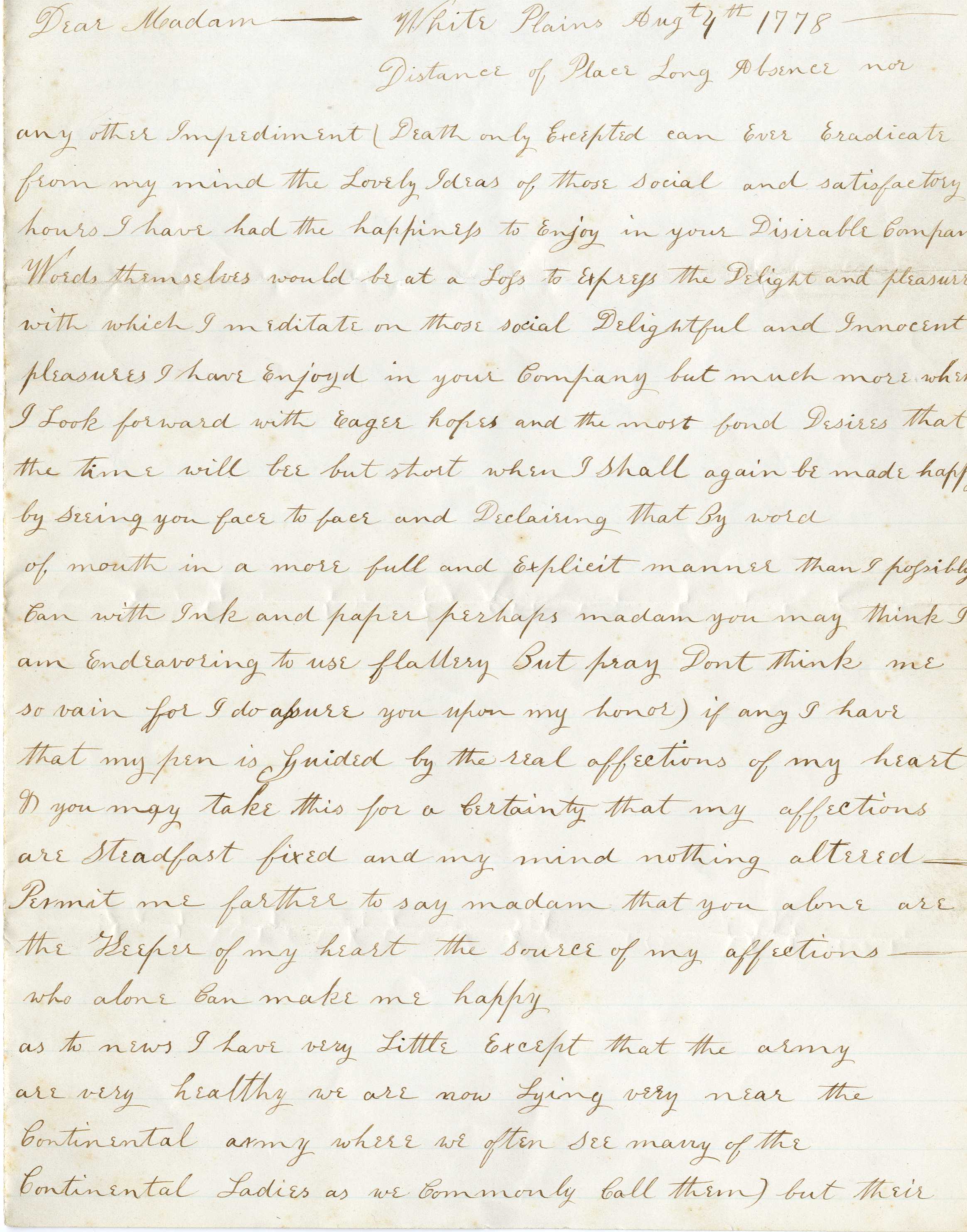
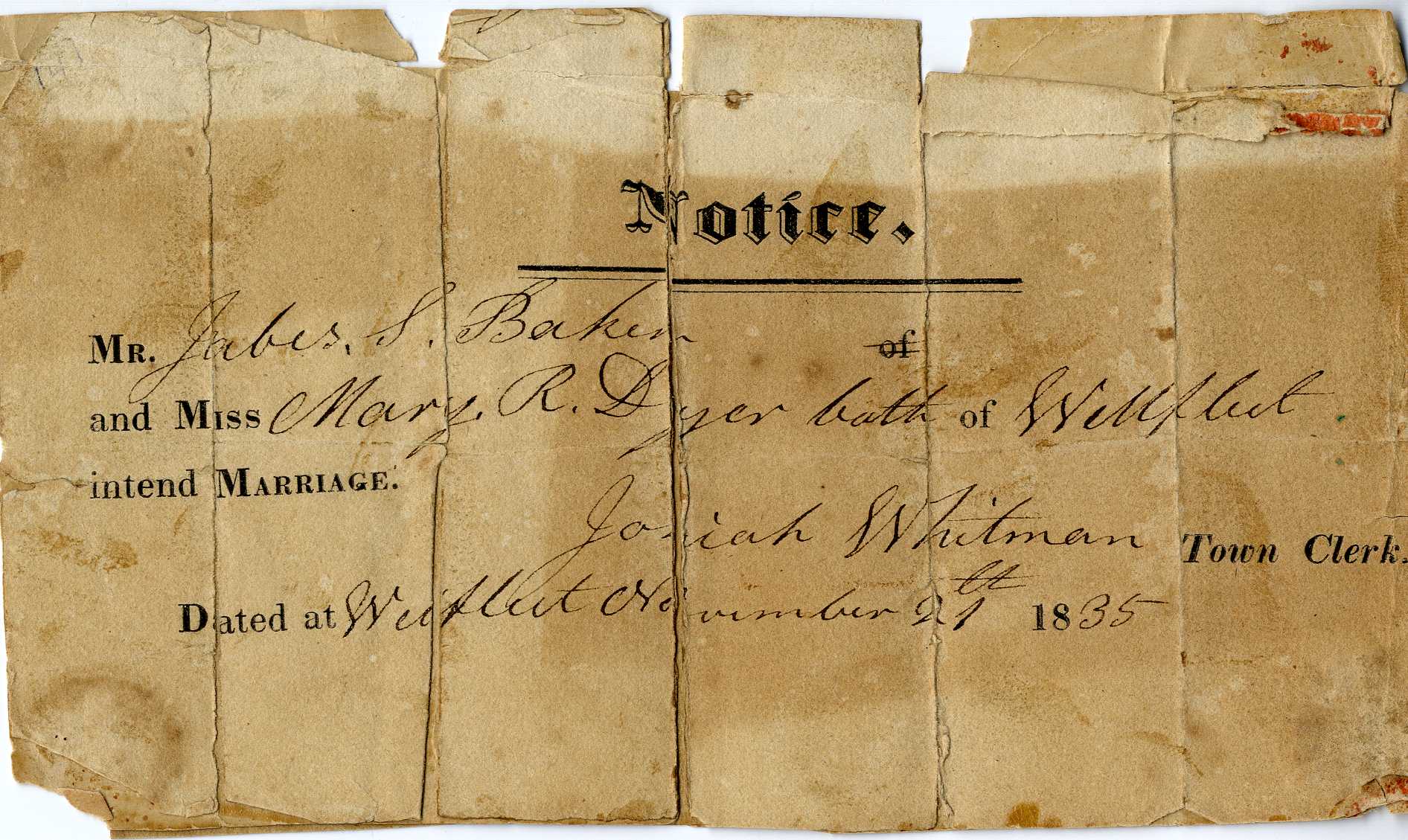
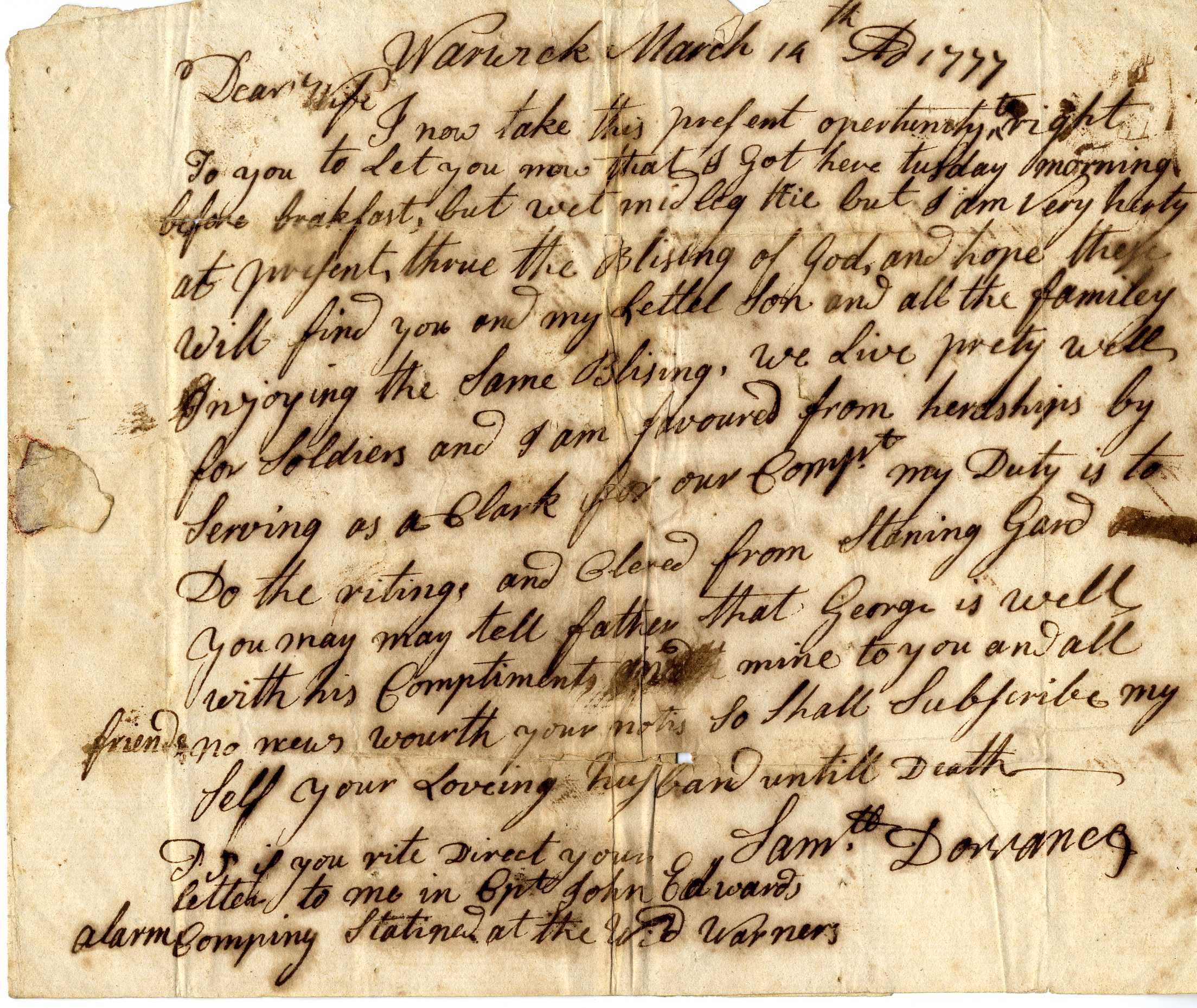
The Americana Collection is home to hundreds of documents concerning family life in America before 1830. The collection includes marriage licenses, legal agreements, last wills and testaments, and family correspondence. Societal changes that occurred in America during the 1700s impacted ideas and customs surrounding courtship and marriage.
At the beginning of the American Revolution, the structure of marriage and family was equal to that of a dictatorship and comparable to the relationship between the American colonists and the British crown. King George III was viewed as the domineering husband and parent and the colonies were the abused wife or offspring given no choice but to rebel.
Also, the Enlightenment, an intellectual movement popular in the 17th and 18th centuries that emphasized reason and individualism more than tradition, influenced ways in which marriage was popularly viewed. The partnership was seen more and more as a private agreement between two people rather than an arranged contract made by the couple’s families. When courting, couples looked for mutual obligation, love, and companionship.
Correspondence was an important part of 18th-century courtship. A young man did not write to a young lady without her father’s permission, and likewise she did not reply without her father’s permission. Consequently, the first letter to one’s potential father-in-law was very important. There were so many rules for courtship correspondence that “letter writers” which served as instructional guides were published by the dozens. A popular letter writer was Samuel Johnson’s The New London Letter Writer. During this period, love letters became more affectionate than in previous eras and were often signed “your obedient humble servant” or “affectionately yours.”