 Today's DAR
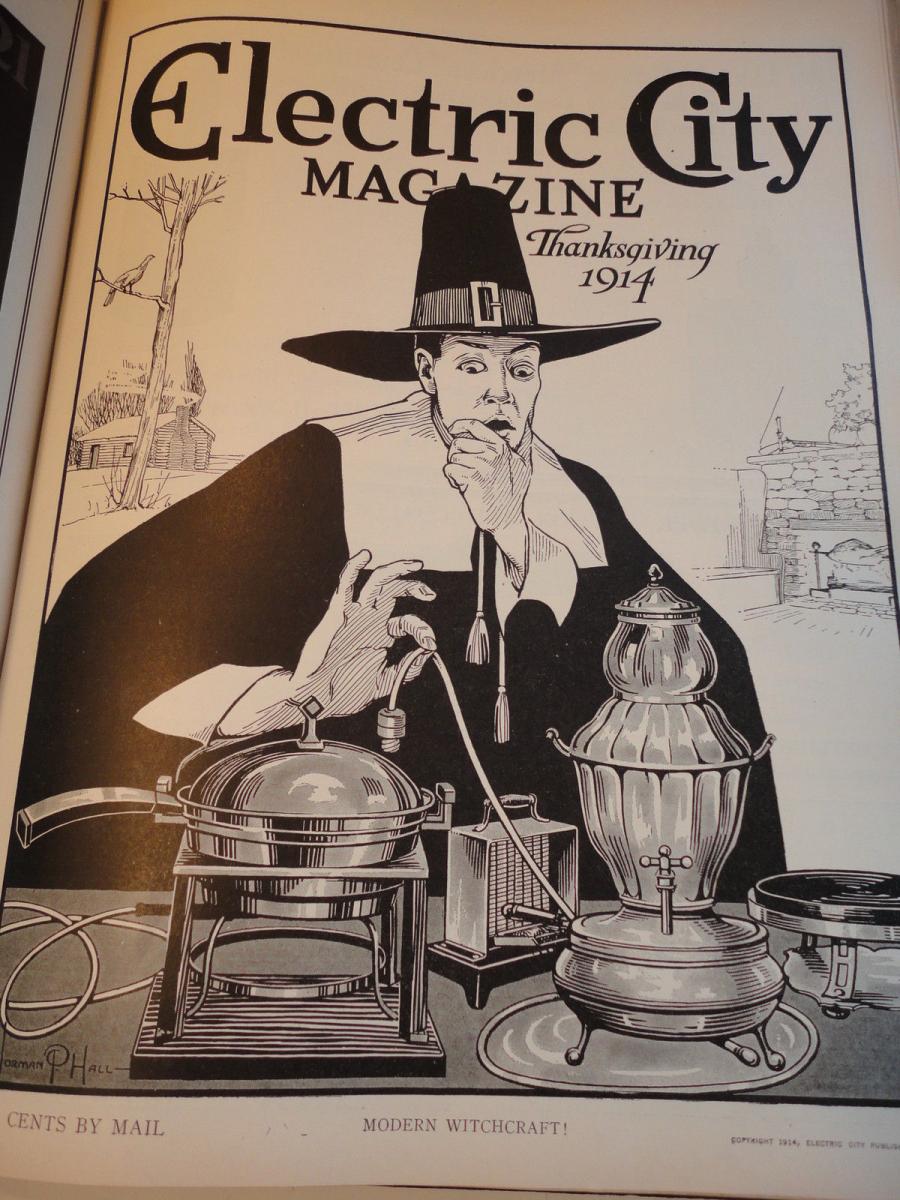
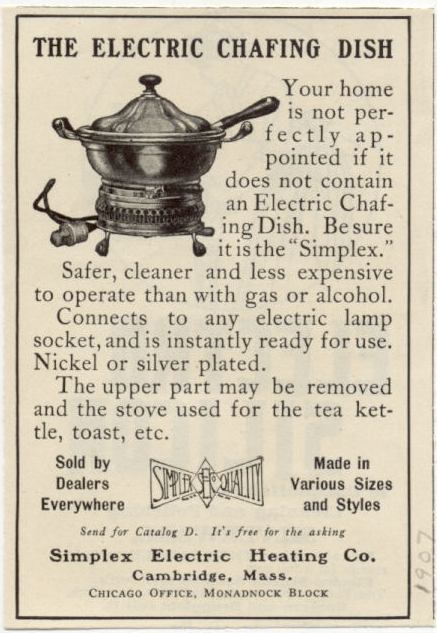
Electricity was introduced into homes in the late 1800s but it took decades before the electric appliances we take for granted were common. A cultural shift needed to take place so that consumers, in this case women, would decide to buy an electric coffee percolator or chafing dish. Manufacturers began producing small cooking appliances as early as the 1890s anticipating an eager market; however they discovered that they had to educate their potential customers and overcome three barriers: fear, cost, and design. Fear represented the most significant obstacle toward adopting a portable electric cooking appliance. Consumers did not know how electricity worked and what it was. Lack of public education about the new technology further highlighted the fear feeding the natural tendency to jump to conclusions based on inaccurate information. Many considered its mysterious power similar to witchcraft. Others compared electricity to fluid that could flow out of a lamp socket or as captured lightning. One woman summed up her reluctance to purchase an electric appliance calling it plainly “too spooky.”

How Did Electric Appliances Become Commonplace in the Home?

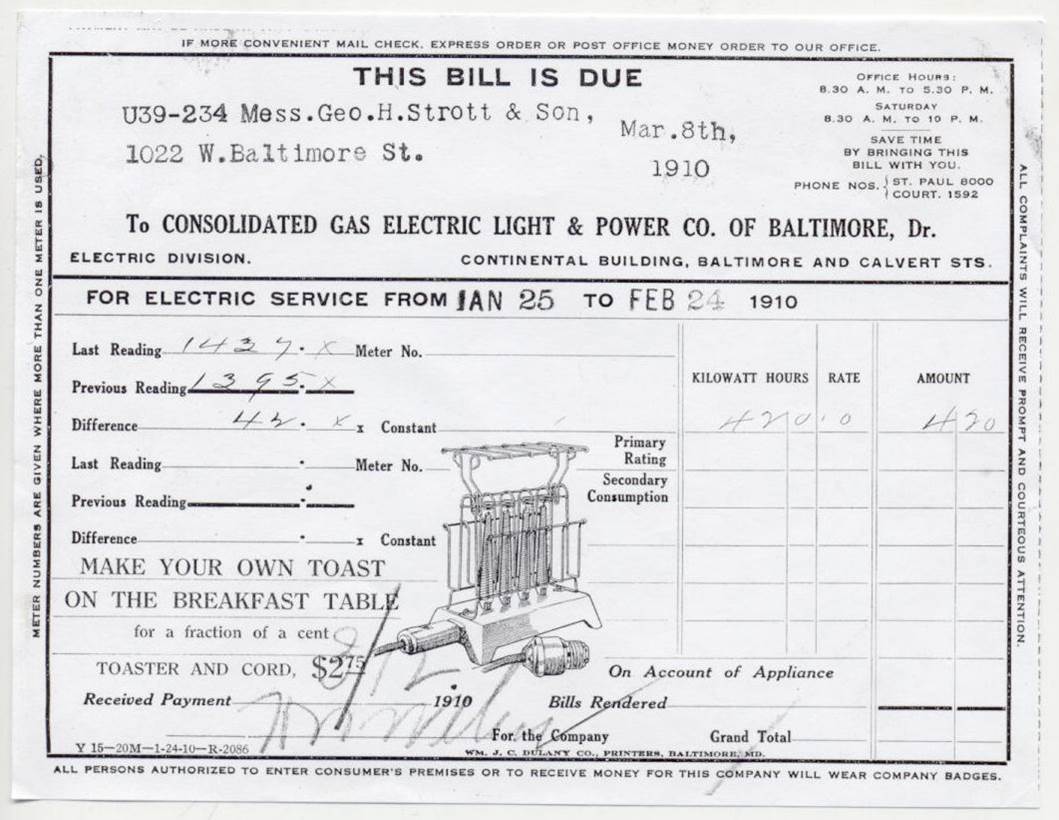
With fear also came the assumption that cooking appliances were both unsafe and poorly designed. The appliance shown here illustrates a case in point. It is a toaster made by General Electric (GE) in 1908. Its open basket for holding the toast and exposed resistance wires that glow red when the appliance is plugged in surely did not inspire confidence. Using this toaster presented quite an acrobatic feat to ensure that fingers didn’t get burned because the wire basket holding the toast got very hot. Visible wires and exposed connections concerned users about the real possibility of getting shocked.
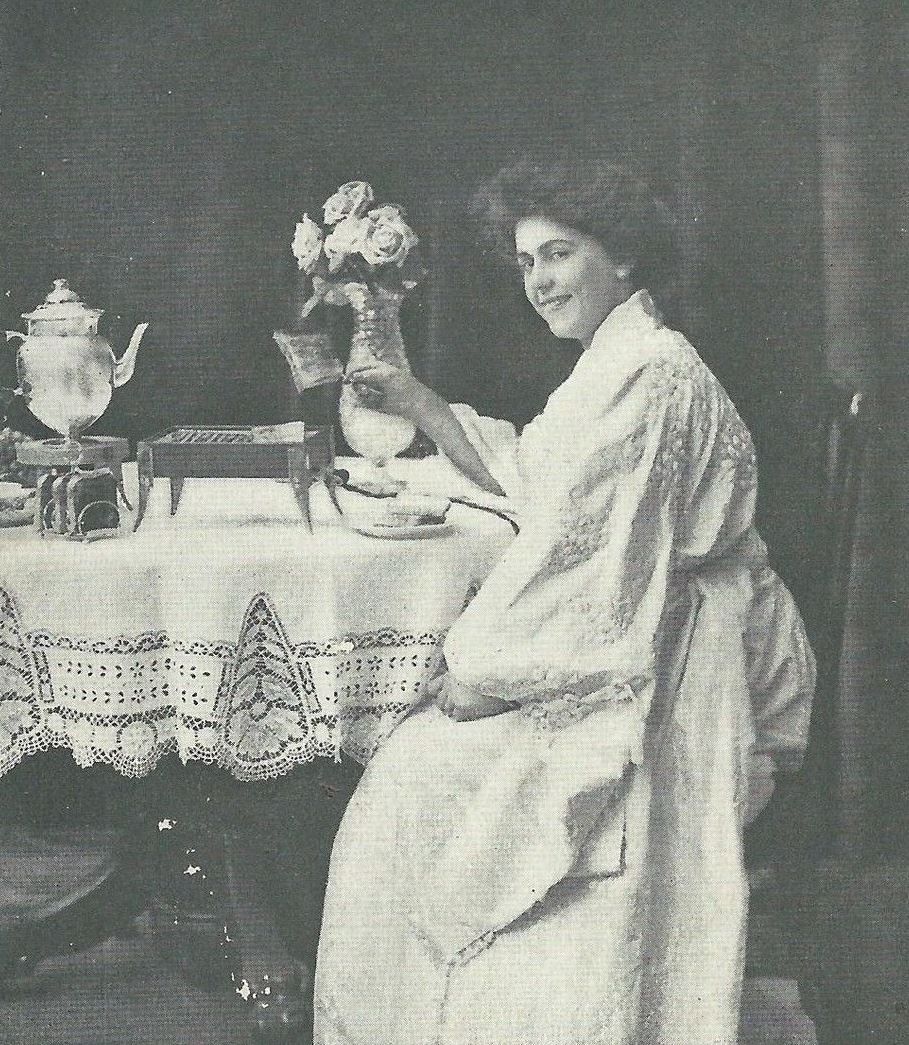
Makers tried to ease fears and create a relationship with potential customers by devising fictitious characters to sell appliances. A play on the famous Universal brand marketed by Landers, Frary, Clark of New Britain, CT, Mrs. Una Versal represented the young housewife, buying the latest thing and open to new ways of running her home. On the other hand, Nan, a character created by Pacific Electric Heating Co. of Ontario, California, represented the more established housewife, someone who was trustworthy because of her years of experience. Local women often portrayed Nan in store windows demonstrating Pacific Electric appliances serving toast and hot cocoa to customers.

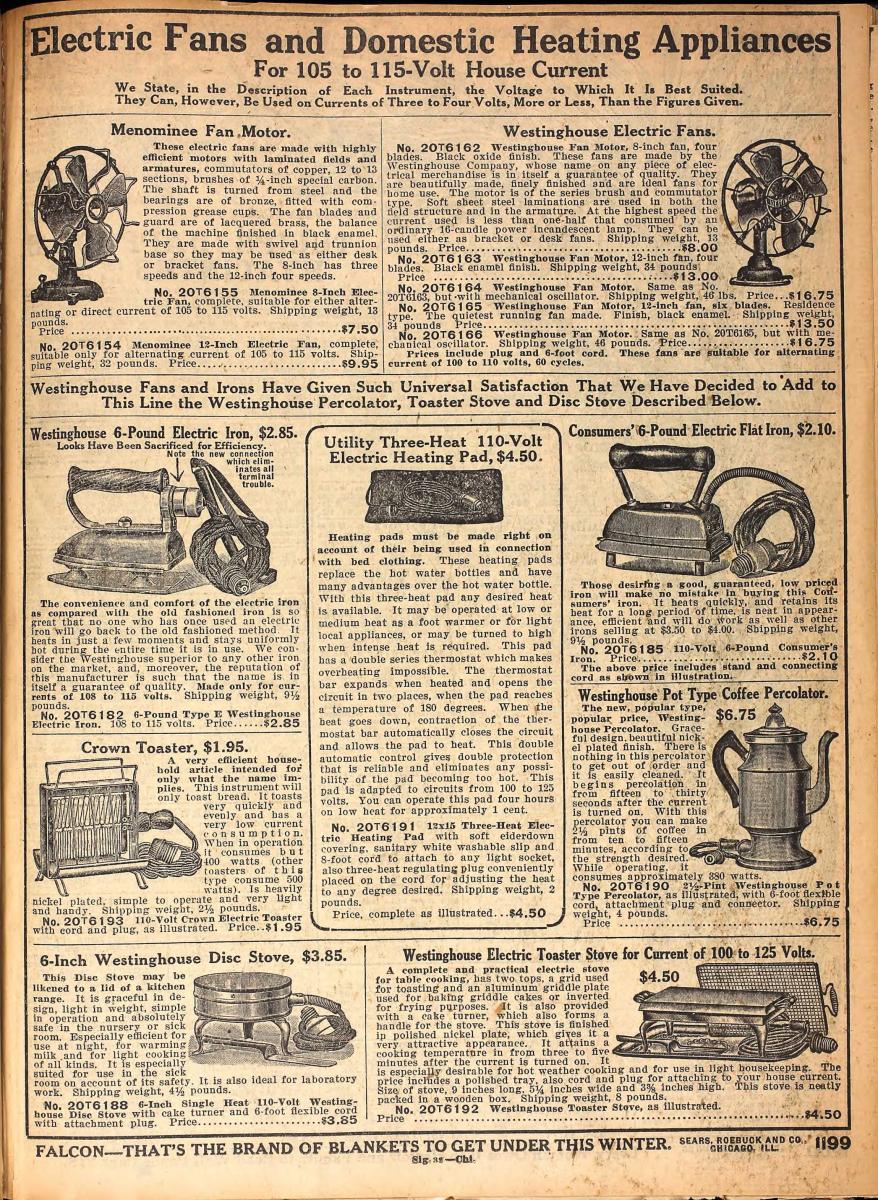
The second obstacle that hindered appliance acceptance related to cost. Purchasing a portable electric cooking appliance like a coffee percolator represented a pricey investment. Electric appliances cost much more than the average fuel powered alternative. For instance in this page from the fall 1914 Sears catalogue, an electric coffee percolator cost $6.75. This is many times the cost of the non-electric version that sat on a stove burner which was 86 cents.
Cost also related to operating expense. Most electric suppliers weren’t interested in providing electric service during the day when electric appliances would have a greater chance of being used. This kept costs high because suppliers were only interested in promoting electricity during peak evening hours when people used light bulbs. Low daily demand meant a higher bill at the end of the month for those who chose to use an electric coffee percolator or chafing dish. Regardless, makers promoted appliances to be “less expensive” and having a “minimum consumption of current” espousing the myth of creating less work and low cost.

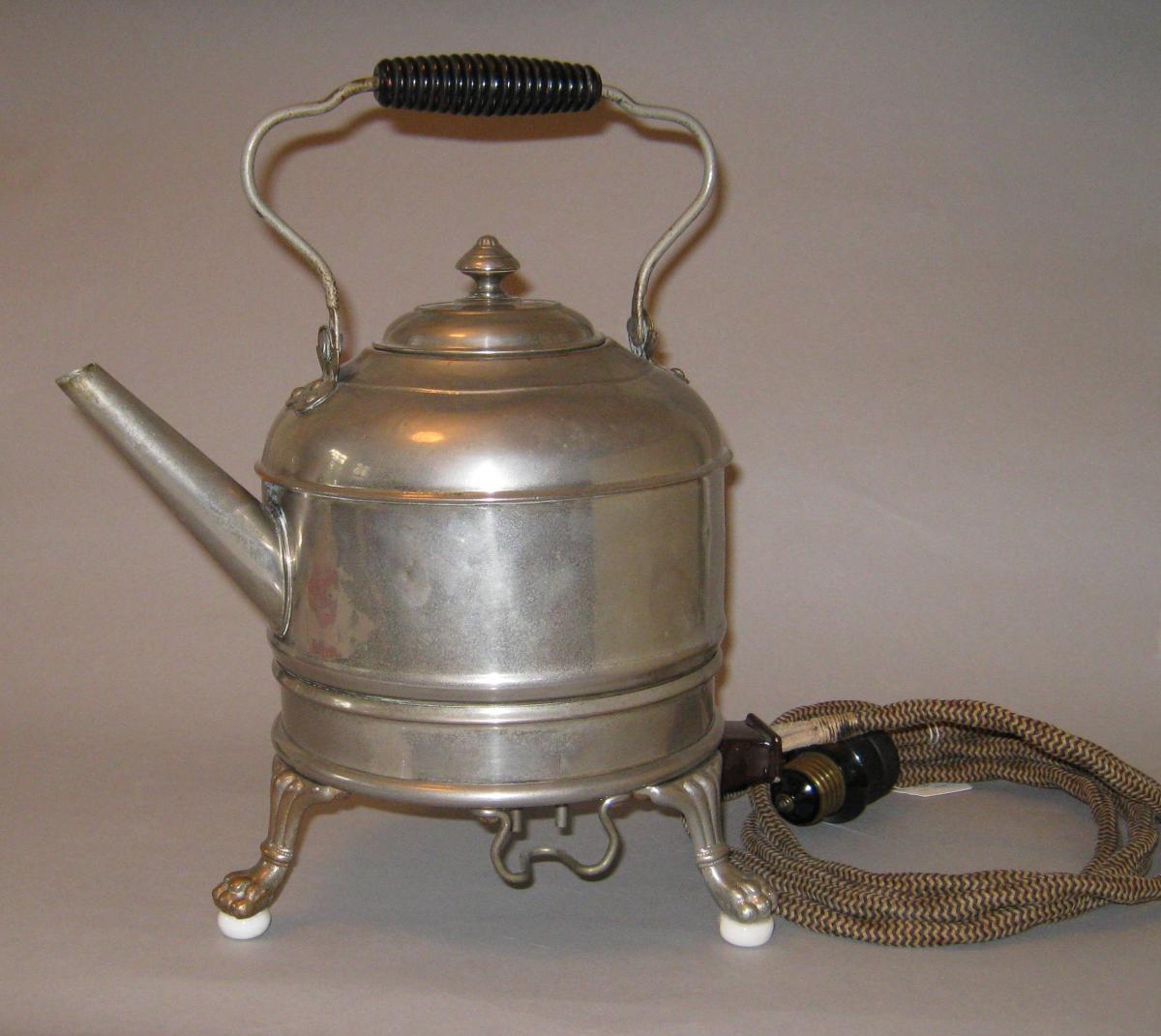
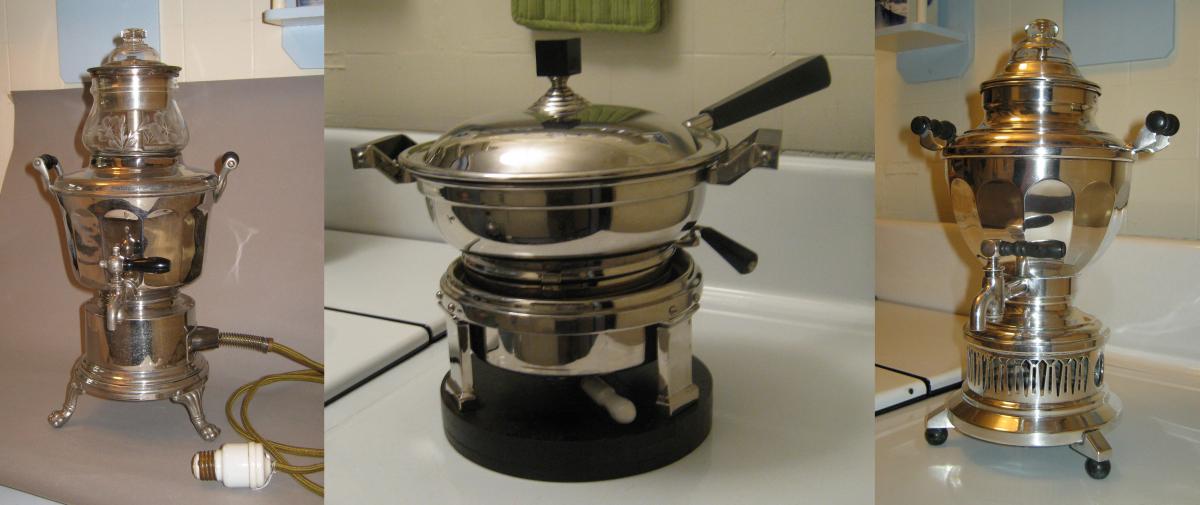
The final barrier toward acceptance relates to design. Manufacturers designed cooking appliances to look like their non-electric counterparts with the thought that something familiar can be reassuring and would entice buyers to take a second look. This GE hot water kettle made between 1907 and 1915 appears much like its stove top predecessor. Design extended to the look of the appliances as well. Appliances made to coordinate with the latest styles meant that women had the opportunity to choose what they liked and express taste and individuality.
The acceptance of portable electric cooking appliances was not a foregone conclusion. A cultural shift had to take place which addressed consumers’ specifically women’s concerns over safety, cost and design. Even then women only slowly began to take these devices seriously. This shift would begin in the 1920s with the appliance craze when items could be bought on credit and government mandated rural electrification of the 1930s put more people on the grid. More users meant that electric costs came down opening the way for people to consider buying appliances. Until then, portable electric cooking appliances remained somewhat of a novelty.